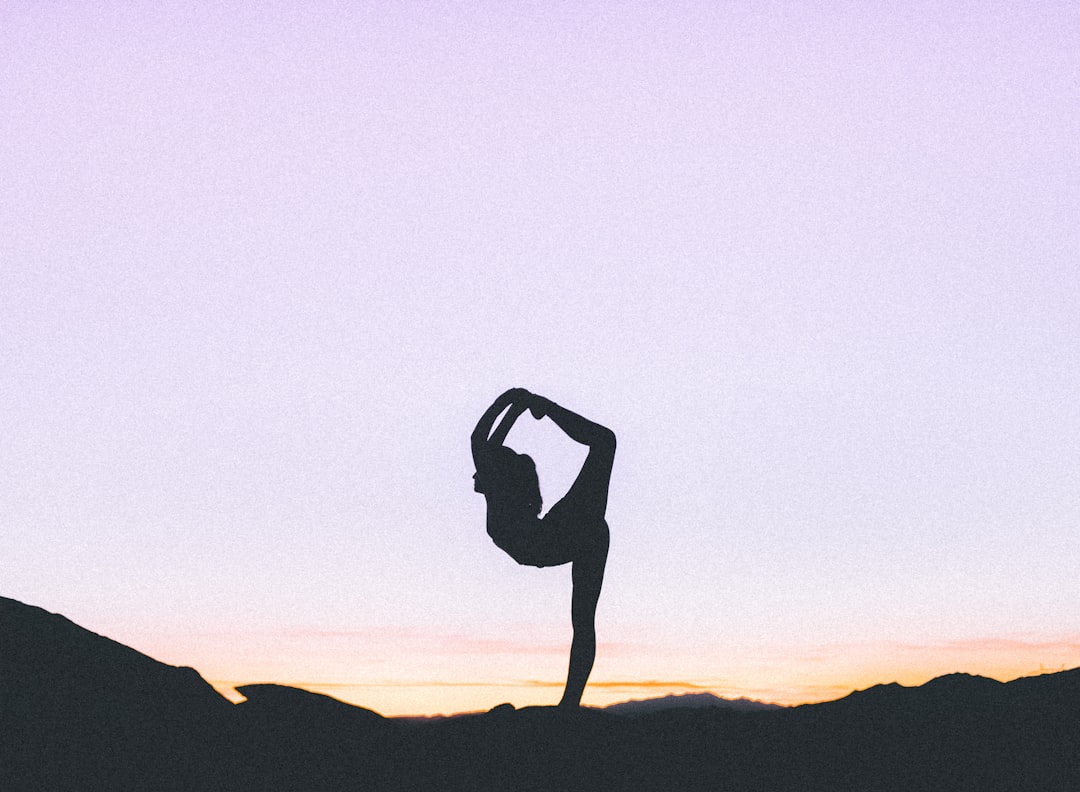
Anchoring Your Practice: How to Steady Yourself Like a Trained Climber
Learn how climbers such as Alex Honnold apply razor-sharp focus, breath control, and micro-alignment to stay steady on exposed rock — and how to apply those same mental and physical techniques to deepen balance, focus, and proper alignment in your yoga practice.
Introduction: Why Climbing Techniques Strengthen Yoga Balance
What climbers teach us about balance
Climbers operate where margins are small: a millimeter shift in weight can be the difference between a secure hold and a slip. That micro-sensitivity makes climbing a rich source of lessons for yoga balance. Where yoga trains fluid strength and mindful alignment, climbers train exposure tolerance, precise footwork, and split-second breathing strategies. Blending those methods helps yoga students achieve steadier postures, improved focus, and safer practice.
Alex Honnold as a model for mental steadiness
Alex Honnold is famous for his meticulous attention to detail, rehearsal, and calm under pressure. We're not advocating dangerous behavior — but we can borrow the mental training methods used by elite climbers: rehearsal, visualization, breath control, and methodical risk assessment. These map directly to yoga approaches for facing challenging balances like vrksasana (tree pose) or arm balances.
How to use this guide
This is a practical, instructor-led manual. Expect step-by-step drills for foot placement, breath cues, alignment checklists, and short practice sequences that can be done at home. If you teach, you'll find cues and sequencing ideas you can integrate into live or on-demand classes — and if you're a caregiver or wellness seeker, you'll get safe progressions and recovery suggestions so you strengthen without injury.
1. The Climber's Mindset: Focus, Rehearsal, and Risk Calibration
Focus: a limited, deliberate spotlight
Climbers narrow attention to three things: the next hold, the position of their feet, and the breath. That focused attention avoids panic and reduces wasted movement. In yoga, cultivate the same spotlight: choose a single point of attention (a drishti), anchor your breath, and keep micro-movements economical. For creative inspiration on maintaining engagement across formats, see strategies from yoga in the age of vertical video — they adapt well to sustaining focused attention in short practices.
Rehearsal: mental and physical
Honnold rehearses moves both physically and mentally, repeating sequences until movement becomes automatic. Use this approach with yoga balances: rehearse the entry, hold, and exit. Walk the shape with a wall or low-to-ground variation first. For sequencing ideas and simple short-session design, look at planning strategies like those used for quick getaways — concise, effective, and intentional time-boxed plans.
Risk calibration: know your edge and practice safely
Climbers assess hazards and train progressively. Translate that to yoga by using props, practicing near a wall, and choosing progressions that stay below your fear threshold. If you're unsure about guidance or conflicting fitness claims, consult trustworthy sources and be wary of misinformation; our piece on tackling medical misinformation in fitness explains how to vet advice.
2. Footwork and Proper Alignment: The Foundation of Steady Postures
Tripod and four-point foot strategies
Climbers use precise foot placements and edges. In standing balances, think of the foot as a tripod: heel, base of big toe, base of little toe. Press evenly through these three points to create a stable base. For postures like ardha chandrasana (half moon), small adjustments in the planted foot can dramatically alter the balance. For visual framing and environmental awareness in practice, investigate how lighting and mood shape performance in other fields — take cues from articles on capturing mood with lighting here.
Micro-adjustments and proprioception training
Climbers train micro-movement: subtle ankle rolls, toe hooks, tiny hip shifts. You can train proprioception with stability drills (single-leg stands, wobble-board work) and slow-motion transitions. These micro-adjustments become automatic with repetition and reduce over-correction that causes wobble.
Alignment cues that matter most
Use simple, consistent cues: stack joints (knee over ankle, hip over knee, shoulder over hip), draw the navel toward the spine, and lengthen through your crown. These alignments keep center of mass predictable so your nervous system can maintain balance with smaller corrections.
3. Breath Control: From Belays to Pranayama
Breath as an anchor under stress
On the wall, a calm breath steadies the mind and reduces tremor. In yoga, breath control (pranayama) has the same stabilizing effect. Practice slow, even breathing patterns to calm sympathetic arousal and improve focus. For performance-based breath strategies, consider methods borrowed from musicians and performers; for example, the breathing discipline used in live performance has parallels described in mastering live performance.
Practical breathing techniques
Three reliable techniques: box breathing (4-4-4-4), extended exhales (lengthen exhale to calm), and ujjayi (constricted throat breath to create internal heat and auditory feedback). Use these in sequence: calm the nervous system with box breathing, refine with extended exhales, and add ujjayi when you need a tactile internal cue during holds.
How to drill breath control in classes
Include 2–3 minute breath drills at the start of practice. For home use, brief breath sessions even while standing improve steadiness. If you teach, put breathing prompts into short vertical-content formats to keep students engaged; see tips on creative presentation in this guide.
4. Core Engagement and Mobility: Strength Without Rigidity
Why core control matters more than brute strength
Climbers rely on tension and positional control — not raw power — to stay efficient. For yoga, a responsive core stabilizes the spine and transmits force between upper and lower body. Train anti-rotation and anti-extension exercises to stabilize without bracing like a rock; think controlled tension, not rigid clenching.
Mobilities to support balance
Joint mobility — especially hips, ankles, and thoracic spine — allows you to find balance without overcompensating. Mobility work reduces the need for large corrective movements and keeps your center over the base. If recovery and tissue care are essential to your plan, explore recovery gear and its role in return-to-practice strategies in compression gear literature.
Core drills you can do anywhere
Short is effective: 3 rounds of 30–45 seconds each — dead bug slow reps, pallof presses (anti-rotation), and hollow holds with controlled breathing. These drills build the kind of steady tension climbers use to lock positions without trembling.
5. Practice Drills to Steady Your Yoga Poses
Progressions for standing balances
Begin next to a wall. Step-by-step: (1) find the tripod in the grounded foot; (2) softly flex the lifted knee and touch down frequently; (3) lift to tolerable height and hold for 5 breaths; (4) lengthen gaze across the room; (5) reduce dependence on the wall over sessions. For creative pacing and playlist ideas that support focus, review principles used to craft performance playlists in cycling playlists — rhythm helps anchor attention.
Arm balance entry rehearsals
Arm balances require controlled loading and good line. Break entries into micro-steps: hand placement, scapular prep, core tension, toe sweep. Repeat each micro-step until smooth. Use low-risk versions (knees on low blocks) to teach the nervous system the pattern before full expression.
Drills for proprioception and micro-shifts
Practice slow transitions between poses (e.g., from high lunge to half lift to warrior III) with eyes open then closed to increase proprioception. Add small perturbations (a soft nudge from a partner or a gentle foam-roll underfoot), which trains reactive control similar to climbers working on sloped footholds.
6. Mental Rehearsal and Mindfulness Strategies
Visualization techniques climbers use
Climbers visualize sequences, foot placements, and recovery. Use the same mental rehearsal before attempting a challenging yoga pose: imagine hand and foot placement, feel the breath rhythm, and rehearse the exit path. This primes neural pathways and reduces startle responses when you try the pose physically.
Managing fear and exposure in practice
Fear narrows attention and tightens muscles. Use graded exposure: practice at a lower risk level until you habituate to the sensation, then progressively increase the challenge. For instructors, fostering a community that practices together builds social safety and accountability; read about building stakeholder engagement in community settings such as sports teams in this analysis.
Short mindfulness exercises for immediacy
Two-minute body scans, breath-counting for 60–90 seconds, and quick naming of sensations reduce sympathetic arousal and bring back balance. Place these at the start of practice, before balances, or after a demanding sequence to reset the nervous system.
7. Recovery, Gear, and Safety: Keep Your Practice Sustainable
Recovery tools climbers and yogis share
Compression garments, targeted massage, and consistent sleep are core recovery pillars. For data on compression as part of recovery strategies, see the comprehensive look at compressive gear's role in returning to performance in this guide. Use foam rolling, targeted therapy, and short mobility sessions to maintain tissue health after heavy practice.
Using props and gear to reduce risk
Mats with good grip, blocks for support, and walls for practicing entry reduce exposure. Climbers often use tactile feedback (chalk) to maintain contact; in yoga, tactile cues — such as pressing into a block or feeling the mat under toes — give the nervous system sensory anchors.
When to see a professional
If you experience persistent pain, altered movement patterns, or recurring injury, seek a physical therapist or qualified instructor. The goal is functional longevity: steady practice gains over years, not one-off heroic attempts.
8. Sequencing Classes and Building the Habit of Steadiness
Short sequences to develop balance and focus
Create 15–20 minute sequences centered on one balance. Warm with ankle/hip mobility, practice 3–5 short entries, then close with calming breathing. For ideas on engaging learners in short media formats — useful for busy students — consult creative delivery techniques from vertical video yoga.
Accountability and community practices
Group practices create social reinforcement. If you teach or lead a class, build sequences that let students practice together with shared cues. Community-building strategies used in local sports and teams offer transferable ideas for class engagement — see principles in community ownership.
Time management and sustainable scheduling
Small consistent practices beat rare long sessions. For practical time management techniques that help craft regular practice windows, read about time influence on itineraries and planning in this time-management piece.
9. Case Studies: Real-World Examples and a 4-Week Steadiness Plan
Case: Alex Honnold — what to emulate and what to avoid
Emulate Honnold's rehearsal, planning, and calm breath. Avoid his extreme risk-taking. Use his attention to detail and methodical preparation as a model: break down challenges, rehearse, and only increase exposure when the basics are safe and automatic. Similar lessons have been drawn from other expedition narratives — read a synthesis of climbers' lessons in expedition reflection pieces such as this mountaineering conclusion.
Case: a yoga teacher integrating climbing drills
One teacher reported major improvements by adding 3 micro-drills per class: single-leg slow transitions, 60-second breath anchors before balances, and micro-shifts practice with eyes closed. Student steadiness improved significantly within 6 weeks — a testament to consistent, purposeful practice over flashy poses.
4-week steady-posture program (sample)
Week 1: 10–15 min daily — ankle mobility, tripod foot drills, 2-minute breath anchors. Week 2: Add progressive holds (5–8 breaths) and 2 core drills. Week 3: Introduce low-arm-balance rehearsals and closed-eye micro-shifts. Week 4: Practice full pose attempts with journaling of sensations and recovery. The program emphasizes small, measurable goals rather than chasing dramatic outcomes. For designing motivating micro-practices and playlists that support focus, explore how music and rhythm influence engagement in sport and movement in sources like soundtrack strategies and playlist curation.
10. Tools, Analogies, and Cross-Training
Cross-training ideas from other disciplines
Musicians, athletes, and performers use targeted rehearsal and breath to manage performance anxiety. For transferable methods from performance practice, see work on mastering live performance here. Cyclists and runners also use focused playlists and cadence to anchor rhythm — an approach useful for vinyasa flows.
Analogy: gardening micro-climates and micro-adjustments
Urban gardeners adapt to micro-climates by making small site-specific adjustments rather than wholesale changes. Your balance practice is similar — small, targeted tweaks in foot, hip, and breath beats large, unfocused corrections. For an extended analogy on micro-adaptations, read this urban gardening piece.
Gear and planning analogies from travel and adventure
Packing the right gear and planning time helps climbers and travelers succeed. Apply the same planning mindset to your yoga practice. Time-box sessions, have a minimal but reliable mat and props, and plan recovery. For gear-focused thinking, check adventure gear lists like those advising on winter adventures here and trip planning methods in travel pieces there.
Pro Tips:
- Use a single drishti point to reduce visual distractions during balance poses.
- Practice breath anchors right before attempting a balance — 6 slow breaths lowers tremor.
- Progress with micro-steps: reduce exposure gradually, not all at once.
Comparison Table: Climbing Techniques vs Yoga Balance Techniques vs Training Drills
| Skill | Climbing Technique | Yoga Balance Technique | Practical Drill |
|---|---|---|---|
| Breath | Controlled breathing during crux moves | Ujjayi & extended exhales | Box breathing 4x4x4x4 (2–3 min) |
| Footwork | Precise toe/edge placement | Tripod foot & active toes | Single-leg tripod holds 30–60s |
| Core | Anti-rotation on small holds | Naval engagement & length | Pallof press 3x8–12 reps |
| Visual Focus | Pick a stable hold / sequence | Drishti point to steady gaze | Gaze training: 30s on point, 30s relaxed |
| Recovery | Active rest; tape/therapy for issue spots | Slow restorative sequences | Compression, foam roll, 10-min mobility |
FAQ: Common Questions About Applying Climbing Techniques to Yoga
1. Is it safe to use climbers' exposure techniques in yoga?
Use exposure techniques in a graded, supervised way. Climbers' mental training is useful, but never replicate actual risk. Instead, use low-to-no-risk graded exposures: walls, props, and progressive holds.
2. How long before I notice improved steadiness?
With consistent daily drills (10–20 minutes), many students notice improved steadiness within 3–6 weeks. Consistency and correct progressions matter more than duration.
3. Which breath technique is best for balance?
Start with simple extended exhales and box breathing for calming; add ujjayi for tactile feedback during holds. Experiment to see which breath rhythm steadies your hands and legs.
4. Should I train strength or mobility first?
Both. Begin with mobility to allow alignment, then layer in strength drills that enforce alignment under load. Mobility without strength leaves you loose; strength without mobility leaves you rigid.
5. How do I coach students who are afraid of falling?
Use graded exposure, positive reinforcement, and clear exit strategies. Offer wall-assisted variations and safe spotting. Teach breath anchors to interrupt fear spirals and build confidence over time.
Conclusion: Build Steadiness with Small, Intense Focus
Key takeaways
Borrow climbers' rehearsal, focused breath, micro-adjustments, and risk calibration to build steadier yoga postures. Progress incrementally, prioritize alignment, and use short, intentional drills that build neural patterns for balance.
Next steps
Start a 4-week plan: 10–20 minutes daily, emphasize breath, foot tripod, and a single balance per session. Join community classes for accountability — community strategies adapted from team models improve adherence, as explored in pieces about stakeholder engagement in teams here.
Resources and inspiration
For broader inspiration about focus, rehearsal, and performance across domains, explore material on performance, playlists, and planning. These cross-discipline ideas support steady practice and sustainable progress: creative delivery ideas (vertical video yoga), playlist and rhythm strategies (soundtracks for sport and playlist curation), and rehearsal methods from performance training.