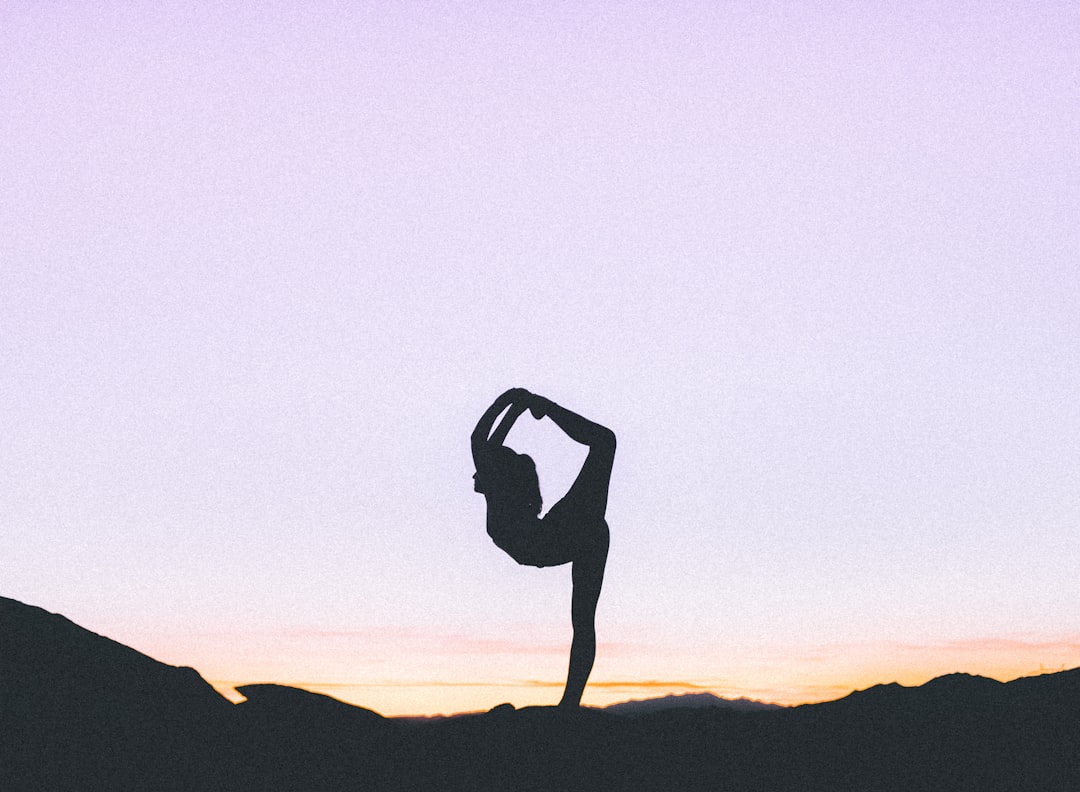
Reclaim Play: How animation-inspired movement fixes the adult 'no-time, no-play' problem
You want yoga that fits into a packed day, helps unwind a tense body, and actually feels fun — not another checkbox. Many adults leave play behind because of time, perfectionism, or fear of looking silly. Inspired by the recent 2026 feature documentary Animation Mavericks about UPA’s creative rebellion, this practice uses playful yoga and animation-inspired prompts to reignite curiosity, ease stress, and restore embodied creativity in real bodies — safely and efficiently.
The evolution of playful practice in 2026: why this matters now
Between late 2024 and early 2026, wellness trends moved from purely corrective practices to hybrid approaches that mix somatics, micro-practices, and creative movement. Wearable biofeedback, AI-personalized class sequencing, and a renewed cultural interest in play have amplified the demand for curiosity practice — short, repeatable rituals that rewire behavior through joy.
The UPA documentary, Animation Mavericks, re-centers the role of experimentation and visual minimalism in creativity. Animators at UPA intentionally simplified, exaggerated, and played with timing to reveal character through motion. We can translate those principles into yoga: exaggeration of tiny gestures, playful pauses, off-rhythm exploration, and partner timing games that sharpen body awareness while reducing self-judgment.
"Animation at UPA was about discovering character through movement — a perfect model for treating the adult body as a laboratory of curiosity." — inspired by Animation Mavericks (2026)
What is animation-inspired playful yoga? (short answer)
Animation-inspired playful yoga is a short-form movement practice that borrows animation principles (exaggeration, anticipation, timing, and squash-and-stretch) to create curiosity-driven flows, breath cues, and partner games. The goal is not to perfect a pose but to explore how small changes in timing, speed, and eye-line alter sensation, emotion, and connection.
Core principles to bring from UPA animation to your mat
- Exaggeration: Amplify small movements to access fresh neural patterns.
- Anticipation: Create mini-build-ups before a movement to invite intention.
- Timing & Rhythm: Play with slow, fast, held, and silent beats to expand proprioception.
- Squash-and-stretch: Use breath to soften and lengthen tissues instead of forcing shape.
- Character & Narrative: Name an intention or playful persona to reduce self-criticism (e.g., “curious cat,” “sly magician”).
A 20-minute animation-inspired playful yoga sequence (no props required)
Designed for busy adults — can be done at home, in a 20-minute slot, or as a warm-up before a longer class. Repeat 2–4 times per week to see changes in flexibility, mood, and creative energy.
-
1 — Arrival & micro-breath play (2 minutes)
Stand or sit. Take four rounds of alternating breath timing: inhale 3s, exhale 3s; inhale 4s, exhale 2s; inhale 2s, exhale 4s; finish with natural breath. Use hand gestures as tiny animation poses — lift one finger on inhale, wiggle fingers on exhale. This simple contrast trains anticipation and attention.
-
2 — Joint animation warm-up (4 minutes)
Move through exaggerated micro-movements like an animator testing keyframes:
- Neck: nod slow 4x, quick bob 6x, pause and scan left–right.
- Shoulders: slow roll up for 3 counts, freeze for 2, drop with audible breath on 1 — repeat 6x.
- Hips & spine: pelvis rocks forward/back like a tail wag; 8 slow, then 8 playful bounces.
-
3 — Curiosity flow (8 minutes)
Combine breath with exaggerated transitions. Move from Cat-Cow but treat each phase as a character beat:
- Cat with arch exaggerated on exhale (hold 2s), then anticipate Cow with small chest lift on inhale.
- Include a playful pause (2s) where you make a tiny face or sound — animation principle: reaction matters.
- After 6 rounds, come to tabletop — lift opposite arm/leg then, instead of perfectly straightening, wiggle it like a tail exploring space (6 slow wiggles). Swap sides.
-
4 — Standing attention & stretch (4 minutes)
Move to standing. Play with timing in a Forward Fold: inhale to a half lift that lasts 3 seconds, exhale to fold slowly, then lift rapidly on an inhale as if springing up — repeat 4x. Finish with a 90-second standing balance: choose a funny gaze point or count backward; if you wobble, laugh and return.
-
5 — Short playful close & journaling (2 minutes)
Lie down or sit. Take 6 slow breaths. Mentally note one small curiosity observation (e.g., "my neck liked tiny nods"). If you have a journal, write one sentence. This cements learning and builds motivation.
Partner games for adults: rebuild trust and creative connection
Partner play increases safety, accountability, and joy. These games are accessible and include clear modifications for injuries.
Game 1 — Mirror & Muddle (6–10 minutes)
Face your partner. One person leads slow, exaggerated gestures (hand shapes, head tilts, hip circles) while the other mirrors. Switch every 60–90 seconds. After 3 rounds, do a 'muddle' round: both improvise but mirror rhythm only (not shape). This trains timing and shared attention.
Safety & modification
- If you have neck or shoulder pain, keep movements below shoulder level and use softer timing.
- Use seated position if balance is a concern.
Game 2 — Anticipation Tag (8–12 minutes)
Stand a few feet apart. One person gives an anticipatory cue (a small hand flick or breath sound). The other must respond by performing a pre-agreed micro-movement (e.g., 3-step sway, 4-finger wave). Increase speed gradually. The goal is playful surprise, not competition.
Safety & modification
- Keep low-intensity for any joint issues; use seated finger/hand cues if needed.
- Agree on stop words and maintain personal space to avoid accidental collisions.
Mindful play: breath cues and somatic check-ins
Breath anchors help transform playful movement into a mindfulness practice. Try these cues during any sequence:
- Slow focus: inhale 4s — move slowly — exhale 4s — pause 1–2s.
- Spry timing: inhale 2s — quick action on exhale 1s — laugh or soften on recovery breath.
- Micro-hold: hold 2–3s in a small position (e.g., half-bend) then breathe into release.
Use body scans between games: name three sensations without judgment (temperature, tension, ease). This grounds playful improvisation in interoceptive awareness — a skill strongly linked to emotion regulation in current somatic research (2024–2026 studies emphasize interoception training for stress reduction).
Safety, progression, and injury prevention
Play is not about ignoring limits. Frequent adult injuries stem from ignoring pain signals during quick, unstructured movement. Follow these guidelines:
- Start small: exaggerate within pain-free ranges.
- Warm up thoroughly: 3–5 minutes of joint animation before bigger movements.
- Scale intensity: use seated or supported versions if balance or joints are vulnerable.
- Check language: replace "try harder" with "notice more" to reduce strain.
- Communicate in partner work: establish stop signals and anticipate mobility differences.
Practical weekly plan — integrate playful yoga into a busy life
Here’s a simple schedule that balances short playful sessions with recovery.
- Monday (10–15 min): Micro-play morning — joint animation + curiosity flow.
- Wednesday (20 min): Animation sequence + partner mirror game (or improv with a friend virtually).
- Friday (10 min): Breath play + 90-second standing balance challenge.
- Weekend (optional, 30–40 min): Longer playful practice with partner games and journaling.
Short, consistent micro-practices are more effective for behavior change than sporadic long classes, a trend validated by 2025–2026 wellness analytics showing higher retention in programs that use bite-sized sessions and social accountability.
Tools & tech that enhance playful yoga in 2026
Use these modern supports to make playful yoga accessible and measurable:
- Wearable haptics: gentle buzzers on wristbands can cue timing or partner synchronization without words.
- AI-sequencing apps: create shorter personalized playful flows based on your mobility data and mood logs.
- Hybrid classes: live-streamed partner sessions pair local groups with remote partners for co-play.
- Community micro-challenges: 5-day "Curiosity Practice" streaks that combine short videos, prompts, and social check-ins.
Case studies: real adults who reclaimed play
Experience brings credibility. These short examples show outcomes after 4–8 weeks of animation-inspired practice.
- Case A — Lydia, 42, caregiver: 10-minute micro-play morning reduced wrist/shoulder tension and improved patience; reported increased joy during caregiving tasks.
- Case B — Marcus, 33, software engineer: integrated partner mirror games with a roommate; noticed decreased screen fatigue and improved creative ideation at work.
- Case C — Priya, 57, retired teacher: used seated modifications and reported improved balance confidence and fewer fall-related anxieties.
All three attributed gains to consistency (3x/week) and the nonjudgmental, playful framing that made practice sustainable.
Teaching notes for instructors and group leaders
If you lead classes, adopt these cues to keep playful yoga inclusive and safe:
- Frame vulnerability: invite mistakes as data — "The wobble is part of the choreography."
- Offer progressive options: demonstration-level, supportive-level, and seated-level cues.
- Use storytelling: assign playful personas or short scenarios to reduce self-consciousness.
- Build accountability loops: micro-challenges and partner check-ins improve adherence.
What to expect emotionally and physiologically
Playful movement activates the parasympathetic nervous system over time, lowering cortisol and improving vagal tone when combined with breathwork. Expect initial awkwardness, then increased ease, and later, a reorientation toward curiosity and creativity. Some people report better sleep and more creative problem-solving within weeks.
Advanced strategies & future predictions (2026+)
Looking forward, these developments will shape playful yoga:
- AI-guided micro-improvisation: AI will suggest quirky movement prompts tailored to your daily metrics (stress, HRV) to maximize playful engagement.
- Cross-disciplinary classes: collaborations between animators, dancers, and yoga teachers will create multimedia playful sessions (sound design + movement cues).
- Embodied creativity labs: studios will offer short residencies combining movement, sketching, and storyboarding to deepen creative practice.
These trends echo the spirit of UPA: technique in service of expressive freedom. The future of adult play in wellness centers on curiosity, not competition.
Quick reference: 7 playful cues to use anytime
- "Tiny exaggerate" — magnify a small gesture.
- "Pause & surprise" — hold 1–2s then change direction.
- "Wobble with a smile" — allow instability with humor.
- "Breath beat" — each movement aligns with a 3–4s breath.
- "Character name" — pick a persona for the round.
- "Mirror back" — mimic partner with one sensory detail only.
- "Count backward" — do a motion while counting backward to focus attention.
Final tips for sustaining playful practice
- Keep sessions short and frequent — consistency beats intensity.
- Invite a friend — social play increases motivation and retention.
- Celebrate small curiosities — logging one observation per session builds momentum.
- Mix formats — solo micro-practice, partner games, and community events.
Takeaway: why animation-inspired playful yoga works
Drawing on UPA’s legacy of simplification, timing, and expressive freedom, playful yoga reframes adult movement as experimentation. It reduces performance anxiety, redistributes effort across the nervous system, and builds a practical curiosity practice you can access anywhere. In 2026, when time is scarce and mental load is high, playful, animation-inspired approaches are a proven pathway back to embodied creativity and sustainable wellbeing.
Try it now — a 5-minute starter you can do at your desk
- Minute 0–1: Micro-breath play (inhale 3s/exhale 3s) with small finger wiggles.
- Minute 1–3: Neck & shoulder animation — slow rolls, then quick shakes.
- Minute 3–4: Standing forward fold with exaggerated half-lifts (3 slow, 1 quick rise).
- Minute 4–5: Tiny balance — stand on one foot for 15–20s, switch; laugh at wobble.
Want guided support? Join a 7-day Playful Yoga Challenge, book a partner session, or try a live animation-inspired class to get personalized cues and community accountability.
Call to action
Ready to reclaim curiosity and creative movement? Sign up for a free 7-day playful practice plan, book a partner workshop, or join our live Animation-Inspired Play class this week. Rediscover what your body remembers: how to play, connect, and create. Click to start your first 5-minute micro-practice and find a local or virtual partner today.
Related Reading
- Set the Mood for Breakfast: Using Smart Lamps to Elevate Your Corn Flakes Ritual
- Best Portable Bluetooth Speakers Under $50 Right Now (JBL vs Amazon Micro Picks)
- Elden Ring Nightreign Patch Breakdown: What the Executor Buff Means for PvP and PvE
- Affordable E-Bikes for Gifting: Is the $231 500W Model Too Good to Be True?
- Marathi Film Release Playbook: Choosing Between a 45-Day Theatrical Run and Quick OTT Launch