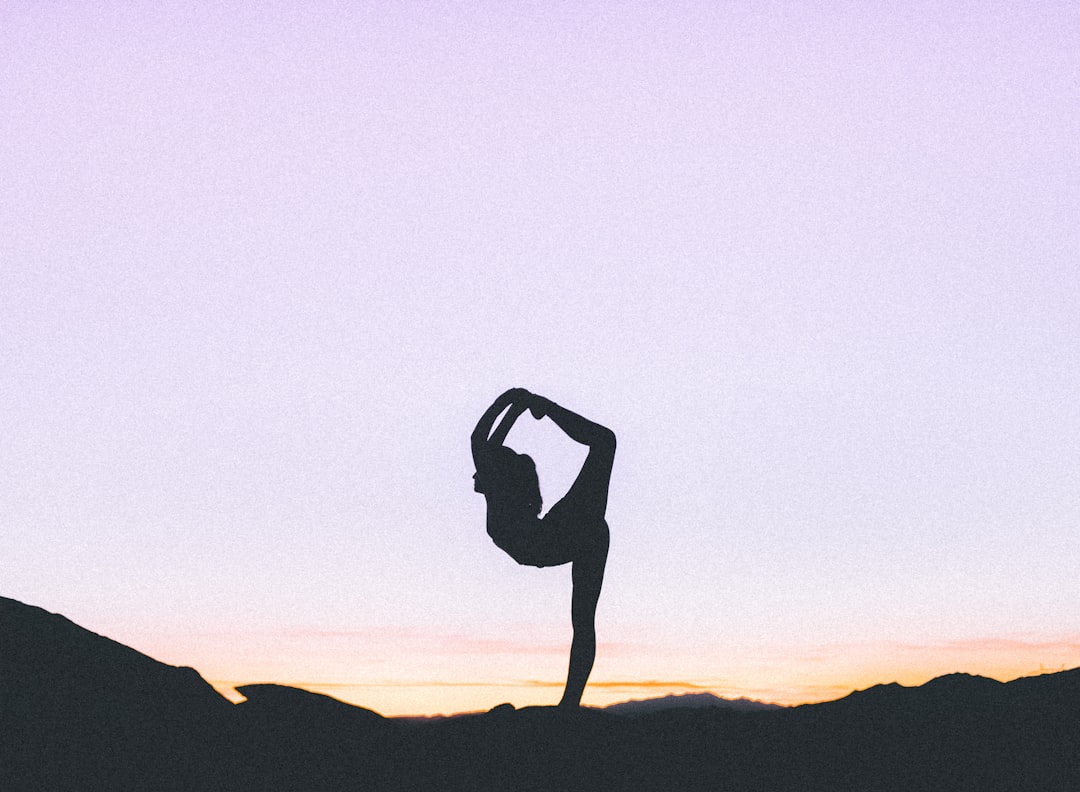
Transforming a home space into a serene yoga corner is more than just setting up a mat—it is about creating a calming environment that nurtures mindfulness, meditation, and rejuvenation. In this comprehensive guide, we’ll explore how to design your personal yoga sanctuary with essential elements of comfort, ambiance, and inspired themes drawn from popular series to elevate your practice. Whether you have a tiny nook or a spacious room, the right setup can profoundly impact your motivation, safety, and overall wellness journey.
1. Understanding the Concept of a Home Sanctuary for Yoga
1.1 Why a Dedicated Yoga Space Matters
Establishing a dedicated yoga space in your home creates a mental and physical boundary that fosters consistency and intention. It answers the pain points of limited time and motivation by visually reminding you to pause, unwind, and connect with your body and breath. Research from mindfulness experts confirms that having a consistent, clutter-free space increases adherence to yoga and meditation routines, enhancing both flexibility and stress relief.
1.2 Core Elements of a Cozy Sanctuary
A cozy yoga sanctuary prioritizes comfort, simplicity, and calming ambiance. This includes soft textures, warm lighting, natural or soothing color palettes, and sensory elements like essential oils or nature sounds that induce relaxation. According to popular wellness designers, integrating these elements amplifies mindfulness and deepens meditative states.
1.3 Aligning Your Sanctuary With Your Wellness Goals
Understanding your practice goals—be it increasing mobility, stress management, or strength—guides the selection of appropriate props and layout. For instance, if your aim is gentle restorative yoga, prioritize bolsters and blankets for support. For strength-based flows, keep space clear and consider a non-slip mat. Learn more about matching yoga gear to your objectives in our article on Yoga Essentials for Different Goals.
2. Selecting the Ideal Location at Home
2.1 Space Considerations: Size and Privacy
Whether it’s a dedicated spare room, a corner of your living room, or even a balcony, picking a space that feels private and peaceful is critical. Windows provide natural light and a connection to nature but should have blinds or curtains for control. Avoid high-traffic zones that may disrupt your flow. For tips on optimizing small areas, see Small Space Yoga Setup.
2.2 Optimal Lighting Choices
Lighting is fundamental for ambiance. Soft, adjustable lamps or Himalayan salt lamps create warmth. If you enjoy practicing at dawn or dusk, maximize natural light. Consider smart plugs to automate lighting on a timer for consistent routines.
2.3 Soundscaping Your Space
Adding gentle background sound enhances memorability and focus during practice. Bluetooth speakers with calming playlists or nature sounds can help. Refer to Bluetooth Speakers for Stylish Sound Options for inspiration on integrating quality audio unobtrusively into your sanctuary.
3. Atmosphere Design: Crafting Your Unique Ambiance
3.1 The Power of Theme: Drawing Inspiration from Popular Series
Popular media often depicts calming or inspiring environments that resonate emotionally. For example, channels like "Avatar: The Last Airbender" or "Studio Ghibli" films emphasize nature and simplicity. Embracing these themes using colors, textures, and decor can deepen your connection to practice. Find creative ideas on thematic design at our piece on The Ultimate Zelda Fan Party Kit.
3.2 Color Psychology for Mindful Spaces
Colors drastically influence mood and focus. Soft blues and greens promote calm and grounding; warm earth tones add coziness, while muted pastels inspire serenity. Understanding this, many wellness spaces utilize natural hues paired with minimalist design to reduce overstimulation.
3.3 Incorporating Natural Elements
Wooden floors or mats, plants, stones, and water elements like a small indoor fountain invoke a multisensory sense of peace and balance. Studies highlight that biophilic design boosts mood and cognitive function, key benefits for mindful living and yoga practice. Discover sustainable material options for your space in Shetland Wool vs Tech Fabrics: Warmth and Sustainability.
4. Essential Yoga Tools For Your Cozy Corner
4.1 Choosing the Right Yoga Mat
Your mat forms the foundation of practice. Look for eco-friendly, non-slip options with adequate cushioning for joint protection. Thickness often varies between 4-6mm for typical use. Consider personal needs: thicker mats help with restorative poses; thinner mats enhance balance work. Our comprehensive guide on How to Choose a Yoga Mat elaborates this.
4.2 Supportive Props: Blocks, Straps, and Bolsters
Injury prevention and alignment are bolstered by props. Foam or cork blocks provide stability; straps assist flexibility; bolsters offer comfort for relaxation poses. Investing in these essentials ensures safety and accessibility regardless of experience level, highlighted in Yoga Props Guide.
4.3 Textiles for Comfort and Ambiance
Soft blankets, pillows, and floor cushions create warmth and coziness during meditation or cool-down stretches. Natural fibers like cotton, wool, or bamboo are breathable and sustainable. For textile selection tips, check out Our Fabric Comparison.
5. Mindfulness Accessories to Enhance Meditation
5.1 Creating a Sacred Corner for Meditation
A small altar or dedicated shelf to hold incense, candles, crystals, or meaningful objects helps set intention. Use items that evoke peace and gratitude. Meditation benches or floor cushions promote healthy posture to deepen focus and reduce physical strain.
5.2 Aromatherapy for Focus and Relaxation
Essential oil diffusers with scents like lavender, sandalwood, or eucalyptus support calming moods and reduce anxiety. Integrating aromatherapy blends with lighting and sound creates a multisensory sanctuary for effective mindfulness practice.
5.3 Guided and Ambient Sound Options
From tranquil nature tracks to gentle chanting or guided meditations, using audio cues can stabilize the wandering mind. Our feature on Mixing Orchestral Dynamics for Streamed Audio offers insight into creating immersive soundscapes at home.
6. Lighting and Technology for the Modern Yogini
6.1 Smart Lighting Solutions
Implementing smart bulbs with dimming and color-changing settings allows you to customize ambiance for different moods or times of day. Setting schedules via apps ensures your space welcomes you with softly glowing light upon evening practice. Learn more about smart lighting in When to Use a Smart Plug for a Lamp.
6.2 Integrating Virtual and On-demand Yoga Classes
Leverage technology by positioning a tablet or screen in your yoga corner for streaming live or on-demand classes tailored to your level and goals. This removes the friction of commuting and enables flexible scheduling. Our core service offers seamless booking and live sessions designed for all levels.
6.3 Sound Equipment for Acoustic Clarity
A quality Bluetooth speaker or soundbar with crisp, warm sound enriches your guided practice or meditation audio. For stylish and practical options, explore Bluetooth Speakers for Stylish Sound.
7. Maintaining Comfort and Safety in Your Sanctuary
7.1 Climate Control and Air Quality
Good ventilation and temperature regulation enhance physical comfort and focus. Use fans, heaters, or air purifiers to maintain an ideal environment. This prevents stuffiness and reduces distractions, crucial for longer sessions.
7.2 Cleanliness and Decluttering Practices
A tidy space helps cultivate mental clarity and respect for your practice time. Use simple storage solutions for yoga props and keep the floor free from tripping hazards. Regularly refresh textiles and mats to maintain hygiene.
7.3 Injury Prevention in At-home Practice
Ensure your yoga area has enough room to move freely without obstruction. Use props for alignment and avoid slippery surfaces. Refer to Safe Yoga Practices at Home for detailed guidance on modifications and injury prevention.
8. Examples of Themed Yoga Corners Inspired by Popular Culture
8.1 Zen Garden Inspired by Japanese Aesthetics and Anime
Use bamboo mats, stone lanterns, miniature zen gardens, and soft lantern lighting for a theme inspired by serene Japanese anime such as "My Neighbor Totoro". This creates a meditative sanctuary that feels transported from screen to reality.
8.2 Earth and Nature Principles from Fantasy Series
Draw inspiration from shows like "Game of Thrones" or "Avatar: The Last Airbender" which emphasize elemental themes. Incorporate earth tones, rustic woods, and live plants with flowing fabrics to evoke grounding and connection to nature.
8.3 Futuristic Minimalism for a Tech-savvy Yogini
Inspired by sci-fi series and modern UX/UI styles, create a clean, monochrome space with subtle LED lights, sleek mats, and minimal clutter. Integrate smart home tech for lighting and sound to reflect an ultramodern yoga retreat.
9. Comparison Table: Essential Yoga Corner Elements
| Element | Purpose | Typical Options | Best For | Price Range |
|---|---|---|---|---|
| Yoga Mat | Foundation of practice, cushioning and grip | Eco-friendly rubber, Cork, PVC | All levels, tailored cushioning needs | $20 - $150 |
| Blocks and Straps | Support alignment, increase flexibility | Foam, Cork blocks; Cotton, Nylon straps | Beginners, injury modifications | $10 - $40 |
| Lighting | Set mood and visibility | Soft lamps, Himalayan salt lamps, Smart bulbs | Ambiance, time flexibility | $15 - $80 |
| Textiles | Comfort during meditation and rest | Cotton blankets, Wool bolsters, Cushions | Relaxation, restorative yoga | $20 - $100 |
| Sound System | Audio guidance and ambiance | Bluetooth Speakers, Soundbars | Streaming classes, Meditation | $30 - $250 |
10. Pro Tips For Sustaining Your Practice in Your Yoga Sanctuary
Consistency is key; schedule daily practice times and use your sanctuary as the intentional space where distractions are minimized. Rotate decor seasonally to keep the space inviting. Utilize technology for reminders and inspired class curation.
Building your own cozy home sanctuary is both a creative and practical endeavor that empowers your wellness journey. By integrating mindfulness into design, you make yoga and meditation inviting, sustainable, and deeply enriching.
Frequently Asked Questions
How much space do I really need for a yoga corner?
A minimum of around 6 feet by 6 feet is ideal for most yoga practices, allowing full movement during poses, but smaller spaces can work for seated meditation and gentle stretches.
Can a yoga corner be multi-purpose?
Yes, but it’s important to keep it clutter-free and ensure things unrelated to practice are stored out of sight to maintain a calm atmosphere.
What lighting is best for evening yoga sessions?
Warm, dimmable lighting such as salt lamps or soft LED candles are best to create a calm mood without harsh glare.
How often should yoga props be cleaned?
Mats and blocks should be wiped after each use; textiles should be washed weekly to maintain cleanliness and prevent allergens.
Are there budget-friendly ways to create a yoga sanctuary?
Yes! Focus on essentials like a good mat and minimal props, use natural light, and repurpose items around your home for décor. Visit Budget Yoga Setup for ideas.
Related Reading
- Yoga Essentials for Different Goals - How to pick gear based on flexibility, strength, or stress relief goals.
- Safe Yoga Practices at Home - Tips on injury prevention and modifications for home practitioners.
- Yoga Props Guide - A complete overview of blocks, straps, bolsters, and their uses.
- Bluetooth Speakers for Stylish Sound - Selecting speakers that blend aesthetics with sound quality.
- Shetland Wool vs Tech Fabrics - Choosing the best materials for comfort and sustainability.