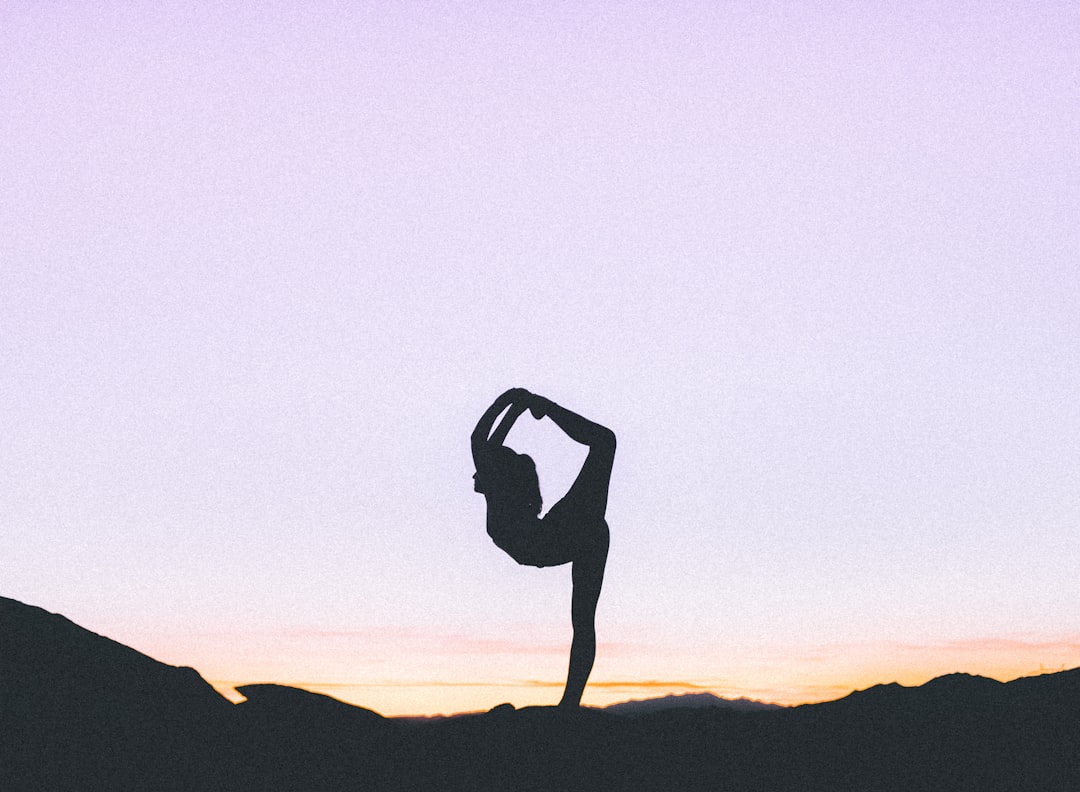
Designing a serene home yoga space is more than just setting aside a corner with a mat. It’s about crafting a sanctuary that nurtures your mind and body—a place where mindfulness flows as naturally as breath. What if your inspiration came from the cinematic worlds that have captivated millions? Films often create unforgettable atmospheres through lighting, color, and spatial design that evoke calm, focus, and creativity. In this comprehensive guide, we’ll explore how to translate the aesthetics and themes of notable films into your personal yoga sanctuary, blending wellness, interior design, and mindful living.
1. The Power of Atmosphere: What Films Teach Us About Space and Serenity
1.1 The Role of Visual Storytelling in Creating Mood
Films craft moods that draw viewers deep into story worlds—through color palettes, lighting angles, and spatial compositions. These same principles underpin wellness spaces that promote concentration and calm. For example, the cool, muted tones of Wes Anderson’s symmetrical sets create a balanced state of mind, whereas the natural, warm light in Terrence Malick’s films invites a peaceful connection to nature.
1.2 Translating Cinematic Aesthetics to Your Yoga Area
Start by choosing a film style that resonates with your goals. Do you want a minimalist sanctuary inspired by Her with its soft reds and clean lines? Or a lush, green serenity like the jungle scenes in The Secret Life of Walter Mitty? Use these themes as a blueprint for color schemes, textures, and ambient lighting choices.
1.3 Balancing Function and Feeling
While films prioritize emotional storytelling, your yoga space needs to merge beauty with practical considerations like non-slip surfaces and space for movement. We’ll cover design tips that bring harmony between aesthetics and usability, crucial for safe and effective practice.
2. Selecting Your Cinematic Inspiration: Films that Evoke Tranquility and Focus
2.1 Minimalist Calm: The Film Her
Her is a masterclass in minimalism and warmth. The use of pastel pink hues, simple furniture, and natural light fosters gentle serenity. Incorporate blush tones with white and light wood in your home yoga space to evoke a similar soothing vibe.
2.2 Nature Immersion: The Lushness of The Secret Life of Walter Mitty
This film’s remarkable outdoor scenes remind us of nature’s power to center the mind. Bringing tangible natural elements into your yoga space—plants, wooden textures, and sky-blue accents—can recreate this grounded energy indoors, crucial for mindful design.
2.3 Zen and Spaciousness: Inspired by Lost in Translation
The quiet, reflective scenes in Lost in Translation use muted, earthy tones and open spaces to cultivate introspection. White walls with Japanese-inspired furniture and soft fabrics can help you craft a similarly contemplative sanctuary.
3. Practical Steps for Designing Your Film-Inspired Yoga Sanctuary
3.1 Assessing Your Available Space
Identify a quiet, well-lit area with some privacy to reduce distractions. Whether it’s a corner of a living room or a dedicated spare room, clear it of clutter. For expert advice on mindful home modifications, consult our guide on energy efficiency and space optimization.
3.2 Choosing Color Palettes and Materials
Select paint, fabrics, and décor based on your chosen film vibe. For a minimalist theme, soft pastels and smooth, light woods; for nature-infused designs, earth-tones and organic fibers. Look into sustainable options as detailed in sustainable material innovations to ensure an eco-friendly sanctuary.
3.3 Lighting Techniques to Set the Mood
Use layered lighting—combining natural light, soft LED, and diffused lamps—to mimic cinematic ambiance. Smart lighting solutions help adjust brightness during practice, enhancing focus and relaxation. Our essential gear for serene spaces explains how lighting transforms atmosphere effectively.
4. Enhancing Mindfulness: Integrating Yoga Props and Tech
4.1 Choosing Props for Comfort and Support
Mats, blocks, bolsters, and straps that complement your design not only add functionality but elevate your sanctuary’s look. For sports-focused yoga enthusiasts, our guide on yoga gear essentials details top-quality prop choices enhancing safety and alignment.
4.2 Incorporating Soundscapes and Music
Sound is a powerful tool. Consider installing discreet speakers to play calming soundtracks or guided classes. For inspiration on blending mindfulness with music, check out mindfulness techniques inspired by competitive sports, which emphasize sound in focus.
4.3 Integrating Virtual Classes and Live Streaming
To stay motivated and guided safely, integrate a tablet or screen that connects to on-demand and live-streamed yoga classes. For tips on creating a connected and supportive home practice, read about building fitness communities virtually.
5. Creating a Multi-Functional Wellness Corner
5.1 Combining Yoga and Meditation Occasions
Your sanctuary can double as a meditation nook. Soft cushions, a low table for candles or incense, and calming visuals tether your experiences together, fostering deeper mental clarity.
5.2 Adding Aromatherapy for Enhanced Relaxation
A high-quality diffuser with essential oils can transform your sanctuary’s mood instantaneously. For maintenance and choices on home diffusers, see the ultimate diffuser maintenance checklist.
5.3 Booking Complementary Recovery Services
For holistic wellness, consider nearby or virtual recovery therapies like massage or acupuncture. Our platform offers easy booking for complementary services designed to support your recovery alongside yoga practice.
6. Safety and Accessibility: Preventing Injury and Facilitating Inclusivity
6.1 Ergonomic Considerations
Design with safety at the forefront. Non-slip flooring, sufficient space for full pose extension, and easy access to props reduce injury risk. Expert guidance in injury prevention tips parallels physical practice safety.
6.2 Modifications and Adaptive Props
Ensure your space supports practice modifications for different skill levels and physical abilities. Use adjustable blocks, chairs, and straps to tailor practice comfortably.
6.3 Lighting and Ventilation for Health
Good ventilation is crucial for energy and focus. For understanding the benefits of proper airflow, see our deep dive on ventilation in wellness spaces.
7. The Psychology of Space: How Environment Boosts Motivation and Consistency
7.1 Visual Cues and Ritual Creation
Use your space’s design to cue practice routines. Placing your mat and props in sight helps build habit and accountability, overcoming common motivation pitfalls.
7.2 Personalizing Your Sanctuary
Incorporate meaningful art, photographs, or quotes that inspire mindfulness. Films inspire storytelling—a tool you can use by telling your own wellness story through your room’s elements, as explored in storytelling techniques from cinema.
7.3 Community Connection via Digital Platforms
Engage virtually with yoga groups for encouragement and shared learning. Read how to maintain online community engagement effectively even during tech interruptions in social media strategies.
8. Case Study: Designing a ‘Spirited Away’ Inspired Yoga Haven
8.1 Capturing the Magical and Ethereal
Spirited Away creates an enchanting, mysterious atmosphere with soft greens, layered textures, and natural wood motifs. A yoga sanctuary inspired by this would emphasize layered lighting with lantern-style lamps and bamboo accents.
8.2 Balancing Practicality with Fantastical Themes
While imbued with fantasy, the space still requires practical flooring and props. Combining Japanese-inspired design with non-slip mats ties function and style seamlessly, a concept echoed in workflow efficiency through thoughtful design.
8.3 Outcomes: Enhanced Practice Experience
The immersive environment increases motivation and mindfulness during practice, showing the tangible benefits of cinema-inspired interior design in wellness.
9. Comparing Film-Inspired Yoga Space Designs
| Film Inspiration | Color Palette | Key Materials | Lighting Style | Yoga Style Suited |
|---|---|---|---|---|
| Her | Soft blush, pastel pink, whites | Light wood, smooth fabrics | Natural light with soft diffusers | Gentle flow, restorative yoga |
| The Secret Life of Walter Mitty | Earthy greens, sky blue | Wood, plants, stone accents | Natural light, warm lamps | Outdoor-inspired, grounding yoga |
| Lost in Translation | Muted beige, warm grays | Japanese minimalist furniture, flax textiles | Ambient, indirect lighting | Mindfulness, seated meditation |
| Spirited Away | Soft greens, browns | Bamboo, paper lanterns, natural fibers | Layered dim lighting with lanterns | Gentle to moderate flow, meditative |
| Her | Warm pastels, minimal neutrals | Organic cotton, smooth wood | Filtered daylight, soft LED | Restorative, pranayama focus |
10. Final Tips for Keeping Your Sanctuary Fresh and Inviting
10.1 Seasonal Updates and Feng Shui Principles
Mirroring film set design, shift accents seasonally to maintain freshness. Use Feng Shui techniques to optimize energy flow. Reviving traditions parallels this balance between change and stability.
10.2 Maintaining Cleanliness and Air Quality
Regularly tidy your space and use indoor plants or purifiers to ensure clean air, essential for yoga and meditation effectiveness. For ventilation insights, see our resource at breathe easy.
10.3 Evolving Your Sanctuary with Your Practice
As your yoga journey grows, adapt your space. Integrate new props, technologies, or decor inspired by evolving tastes or goals to keep your personal sanctuary alive and motivating.
Frequently Asked Questions
Q1: How much space do I need for an effective home yoga area?
Ideally, a minimum clear space of 6 by 6 feet (approximately 1.8 by 1.8 meters) allows comfortable movement for most yoga poses. Keep aisles free of clutter to prevent injury.
Q2: Can I use LED lighting to mimic natural light for better focus?
Yes, full-spectrum LEDs with adjustable brightness and color temperature can replicate sunlight, improving mood and alertness during practice.
Q3: What are the best materials for yoga props that also look good?
Natural cork, bamboo, organic cotton, and sustainably harvested wood blend durability with aesthetic quality suitable for serene spaces.
Q4: How often should I update or redecorate my yoga sanctuary?
Seasonal adjustments every 3-4 months or as your personal style evolves help maintain interest and a refreshed practice environment.
Q5: How can films help with mental focus during yoga?
Film-inspired design taps into subconscious associations with calm and creativity, generating an environment conducive to present-moment awareness and mindfulness.
Related Reading
- The Ultimate Maintenance Checklist for Your Home Diffuser - Keep your aromatherapy devices clean and effective for lasting serenity.
- From Virtual to Reality: The Role of Live Events in Building Fitness Communities - Learn how virtual yoga communities can enhance motivation.
- Breathe Easy: The Hidden Benefits of Proper Ventilation in Rental Properties - Understand the critical role of airflow in wellness spaces.
- Mindfulness Techniques Inspired by Competitive Sports - Discover how focused mindfulness techniques heighten performance.
- Essential Gear for Serene Home Dining: From Lighting to Smart Devices - Explore how ambient lighting and technology create calming home spaces.