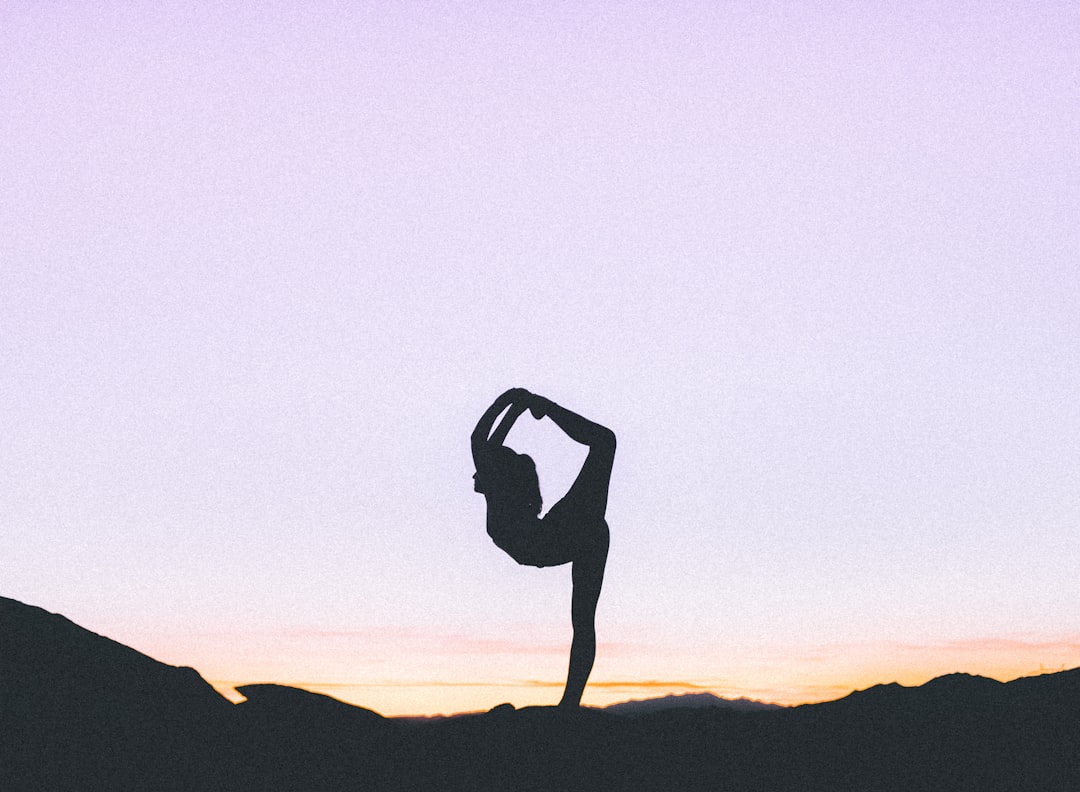
Flow isn't just a creative buzzword — it's a lived state where attention, body, and music move together and something larger than habit emerges. In this definitive guide you will learn how to use dance-based yoga flows to unlock creative flow and emotional release, drawing on the fluidity of music and performance practices. We'll combine neuroscience, practical class-ready sequences, safety cues, community strategies, and measurable tools so you can apply this work at home, in a workshop, or live-streamed classes.
If you want to design playlists that steer an entire practice, explore how live performance shapes audience energy, or learn community-building techniques from festival organizers, this guide gathers evidence-based steps, teacher cues, and real-world examples so your next practice becomes a creative ritual.
For inspiration on curating soundtracks that move people, see our ideas on playlist generators and how soundtracks transform narrative flow.
1. What Is Creative Flow in Movement?
Defining flow: experience, not just productivity
Flow is a psychological state characterized by complete absorption in an activity, timelessness, and effortless action. In movement, flow blends kinesthetic awareness with musical and emotional cues. It’s different from a checklist workout; it’s an integrated experience where breath, music, and motion align. This alignment can open new pathways for creativity, problem-solving, and emotional processing.
Why dance-based yoga flows are especially effective
Dance-based yoga flows combine the mindful sequencing of yoga with the expressive freedom of dance. Instead of rigid postures held purely for alignment, these flows emphasize continuous transitions, improvisation, and musical timing — which fosters creative thinking and emotional reorganization. They also bridge the therapeutic benefits of movement therapy with the structure many students crave.
How culture and performance inform practice
Performance art has long taught teachers how to shape arc and release. Learnings from stage craft — pacing, building tension, and audience cues — can inform class design. For practical lessons on creating emotional arcs in live settings, consider insights from how live reviews impact audience engagement.
2. The Science: Why Movement + Music Unlock Emotions
Neuroscience of rhythm and emotion
Music and rhythm modulate the limbic system and the autonomic nervous system. Tempo, melodic contour, and harmonic tension influence arousal and valence; a slow minor-key phrase calms, while a driving beat raises arousal and energizes movement. These effects are measurable — heart rate variability, breathing patterns, and subjective mood shift when people move to music intentionally.
Embodied cognition and interoception
When you move mindfully you increase interoceptive awareness — the sense of internal bodily states. Dance-based yoga improves this awareness via sustained, attention-guided transitions. That improved sensing helps people notice emotional patterns and release them in motion rather than rumination.
Emotional release mechanisms in movement therapy
Movement therapy uses nonverbal expression to process feeling states. For methodical approaches and how performance art creates emotional connections, explore research pulled from creative tagging and expression in creating emotional connections. The therapeutic pathway moves from felt experience to symbolic integration through guided reflection.
3. Music Influence: Curating Soundtracks That Guide Flow
Mapping emotional arcs to song structures
Design a playlist like a narrative: opening (arrival), rising action (build), climax (peak movement), resolution (cool down), and integration (rest). Use instrumental sections for improvisational windows and lyrical sections for embodied storytelling. If you need structure ideas for soundtrack sequencing, check techniques from music events and landing pages at composing unique experiences.
Tempo and movement vocabulary
Choose BPMs intentionally: 60–80 BPM supports grounded, breath-synced movement; 90–110 BPM encourages flowing transitions; 120+ BPM supports dynamic, expressive sequences. Keep transitions between tracks smooth or purposefully jarring depending on the desired emotional effect.
Using anthems and personal motifs
Personal anthems anchor identity and motivation. Incorporate one or two tracks participants identify with to trigger memory and agency during practice. The concept of ritual soundtracks is elaborated in the power of anthems.
4. Designing Dance-Based Yoga Sequences: Principles & Example Flows
Key principles for sequencing
Sequence by function: warm-up (mobility + breath), connective transitions (continuous movement), peak (strength + expressive release), and integration (stretch + rest). Emphasize transitions as expressive moments rather than simply passing between poses. For choreography-engineering crossover thinking, see how structure meets craft in art meets engineering.
Three sample flows (beginner, intermediate, expressive)
Beginner: 20-minute flow focused on joint mobility and breath. Start in standing, move through sun-salutation variations with pelvic circles and arm undulations, end with 5 minutes of guided free-movement to a slow track.
Intermediate: 40-minute class with sequenced spirals, balance challenges, and a 6-minute expressive section where students improvise to instrumental crescendos.
Expressive: 60-minute workshop using a curated playlist with call-and-response prompts, layered partner contact improvisation, and journaling for integration.
Teacher cues and safe language
Use invitational language: "explore a soft backbend" instead of "do a deep backbend." Cue breath-linked timing: "inhale to lift, exhale to dissolve." To reduce risk, integrate modifications and props; structured booking strategies and event prep can be learned from materials about preparing and booking large programs like prepare like a pro.
5. Movement Therapy Techniques for Emotional Release
Active imagination via movement
Guide students to embody archetypes (e.g., ‘the river’, ‘the mountain’) and move for 3–5 minutes. This nonverbal exploration allows emotions to surface, which you then scaffold with reflective prompts. Documentaries and storytelling techniques offer models for this reflective integration — see harnessing documentaries for storytelling.
Containment and titration
When strong emotions arise, use titration: quick cycles of movement and rest to avoid overwhelm. Teach containment strategies like spatial boundaries (limited movement radius) and breath counts to help participants feel safe while releasing.
Group rituals and shared release
Group practices can amplify release and safety. Ritual sequences anchored by a shared anthem or phrase cultivate trust — festival and community models give practical frameworks; see community festivals for how localized gatherings design shared experiences.
6. Improvisation & Choreography: Creative Pathways to Flow
Free-improv prompts to spark creativity
Use simple prompts: "move only with your right side," "trace the melody," or "mirror the breath." Short prompts create constraints that paradoxically increase freedom. For lessons on adaptive creativity and turning setbacks into new material, read how music video artists capitalize on unpredictability at capitalize on injury.
From improv to composed phrases
Capture improvised moments and repeat them to build phrases. This is compositional practice — it creates a vocabulary unique to each class. The transition from spontaneous to curated content mirrors revitalization patterns discussed in creative career case studies like revitalizing content strategies.
Choreography for personal practice
Teach students to create three-move motifs: an initiation, a peak move, and a settling gesture. These are portable micro-routines that can anchor daily creative flow. Costume and visual identity choices can also affect expression; see how creative costume choices shape perception in fashioning your brand.
7. Safety, Modifications, and Injury Prevention
Assessing risk in expressive movement
Expressive flows increase dynamic range and therefore risk. Emphasize gradual load progression, clear warm-ups, and cueing for alignment in joints. The sports world provides models for maintaining calm under pressure; apply these to class pacing as in the art of maintaining calm.
Modifications and props
Always offer regressions and progressions. Use chairs, wall support, and small props to allow participants to access the same expressive intent safely. For at-home strength complementing movement flows, consider equipment guidance like adjustable dumbbell comparisons in best adjustable dumbbells when designing strength-building peak sections.
When to refer out
Know red flags that require medical or specialist referral: persistent joint instability, unexplained sharp pain, or signs of trauma that need psychotherapy rather than movement-only interventions. Use conservative practice design and partner with local therapists and recovery service providers for integrated care and booking strategies referenced in broader event planning materials such as prepare like a pro.
8. Building Community: Shared Movement and Accountability
Designing safe, repeatable rituals
Community thrives on predictable structure with room for surprise. Weekly micro-rituals, shared playlists, and consistent opening/closing prompts help members feel anchored. Event organizers and creators can learn audience dynamics from performance models like the power of performance.
Workshops, festivals, and local experiences
Scale with intention. Run small cohorts before attempting a festival-size event. Local experience case studies show how micro-communities build trust over time — read examples from neighborhood celebrations at community festivals.
Digital communities and live streaming
Live-streaming classes demand different cues and engagement techniques. Leverage behind-the-scenes storytelling to deepen connection; a useful model is found in live content strategies from award-season coverage at behind the scenes of awards season.
9. Measuring Progress: Metrics for Movement, Mood, and Creativity
Qualitative markers
Collect journaling entries, post-class reflections, and creative snapshots. Questions like "What imagery came up?" or "Where did you notice breath holding?" provide longitudinal qualitative data that reveal emotional processing.
Quantitative tools
Use simple quantitative metrics like session frequency, minutes of expressive movement, and basic physiological measures (resting heart rate, perceived exertion). For fitness-focused markers, resources explaining VO2 and performance trends can illuminate cardiovascular change tracking; see VO2 Max decoding the health trend.
Iterating your program
Use an experimental mindset: change one variable per month (music tempo, length of improv window, or group size) and observe outcomes. Content creators who pivot proactively show how iteration revitalizes offerings; learn more from creative pivots in case studies like revitalizing content strategies.
10. Case Studies: Real-World Examples and Lessons
From a community festival workshop
A neighborhood festival series integrated a 30-minute dance-yoga slot and reported a measurable increase in repeat attendance and social cohesion. Event planners can replicate this pattern, using templates common to community festivals documented in community festivals.
Resilience through movement: athlete-to-artist crossovers
A project with competitive athletes used flow-based practices to reduce performance anxiety and recover creative confidence. Lessons from sports on maintaining composure translate to expressive practices; see parallels in lessons from competitive athletes and resilience case studies like Naomi Osaka in resilience in sports.
Turning unexpected events into creative material
In one class series, a music glitch became an improvisational prompt and later a signature motif. Creators often convert setbacks into new directions — a strategy explored in music video production lessons at capitalize on injury.
Pro Tip: Start each practice with a 60-second grounding and one-minute free movement. This low-investment ritual dramatically increases participant buy-in and creative output.
11. A Practical 30-Minute Dance-Yoga Sequence (Step-by-Step)
0–5 minutes: Arrival & Grounding
Begin standing in Tadasana. Guide five diaphragmatic breaths. Add gentle neck rolls and pelvic circles to invite awareness into the spine and hips. Play a low-tempo instrumental for anchoring.
5–12 minutes: Mobility & Warm-up
Move through a flowing sun-salutation variation with undulating ribs and hip circles. Cue students to sync arms to inhalations and soften the exhalation into movement. Use light dynamic lunges and cat-cow variations to open the thoracic spine.
12–20 minutes: Connective Flow & Improv Window
Introduce continuous side-body spirals, stepping sequences, and balance challenges. After a 4-minute guided phrase, create a 2-minute improv window: instruct students to "translate the melody into three body shapes." Encourage exploration rather than performance.
20–26 minutes: Peak & Expressive Release
Build to a peak move (e.g., dynamic lunge sequence with arm flourishes). Use a track with strong rhythmic drive. Invite vocalization if appropriate — a short hum or sigh can deepen release.
26–30 minutes: Cool-down & Integration
Transition to seated or reclined poses. Guide a short body-scan and 3–5 minutes of stillness. Offer a simple journaling prompt: "What image or phrase will you take off the mat?"
12. Scaling Your Offering: Workshops, Bookings, and Live Content
From single classes to multi-session programs
Define outcomes for each series and create progressive skill-building. Use part logistics knowledge from large event planning to avoid common pitfalls; for instance, scheduling and booking strategies can be informed by resources like prepare like a pro.
Monetization and community pricing models
Offer tiered pricing: drop-in, 6-week series, and community scholarship seats. Transparency about pricing increases trust and long-term engagement; entrepreneurial lessons from cross-disciplinary creators are helpful, such as strategies in creator economy pivots.
Promoting via storytelling and live reviews
Use participant stories, short clips of live classes, and testimonials. The effects of live reviews and social proof on attendance are documented in performance marketing case studies at the power of performance.
13. Final Checklist & 30-Day Action Plan
Week 1: Foundation
Create a 20–30 minute playlist and teach one simple 30-minute flow three times. Collect baseline reflections after each session.
Week 2–3: Iterate
Introduce one improv prompt and one expressive peak. Test two playlist variants and ask participants which supported release more reliably. Use A/B learning like content creators refining offers per revitalizing content strategies.
Week 4: Community & Scale
Host a short sharing circle or an informal performance slot. Use a repeatable ritual and consider opening a small cohort series with a clear enrollment strategy informed by community event case studies such as community festivals.
14. Resources & Tools
Tools to support your practice: playlist generators for music curation (playlist generators), templates for live engagement and storytelling (behind the scenes of awards season), and performance review strategies (the power of performance).
| Genre/Texture | Typical BPM | Movement Quality | Emotional Outcome | Sequence Suggestion |
|---|---|---|---|---|
| Ambient/Minimal | 50–70 | Slow, sustained | Soothing, introspective | Breath-led mobility & body-scan |
| Neo-soul/Mellow | 70–90 | Grooving, soft undulation | Warmth, connection | Connective flow + partner mirroring |
| Instrumental Electronica | 90–120 | Continuous, rhythmic | Creative arousal, focus | Improvisational windows & motif-building |
| World Rhythms | 80–140 | Polyrhythmic, expansive | Release, communal energy | Group call-and-response & dance-yoga mashups |
| Driving Beats/Anthems | 120+ | Explosive, full-bodied | Power, catharsis | Peak sequences & vocal release |
Frequently Asked Questions
Q1: Is improvised movement safe for beginners?
A1: Yes, when framed within simple boundaries: keep improvisation short (1–3 minutes), offer spatial limits, and give options for seated or supported movement. Emphasize curiosity over performance.
Q2: How do I choose music if students have diverse tastes?
A2: Use neutral instrumental tracks for the bulk of the flow, and invite students to bring a single personal anthem for a short sharing moment. This balances inclusivity with personal resonance. You can use playlist generators to help find cross-genre tracks (playlist generators).
Q3: Can dance-yoga help with trauma?
A3: It can support regulation and embodied processing, but it is not a substitute for trauma therapy. Use containment strategies and make referrals when strong trauma material emerges. Collaboration with licensed therapists is recommended.
Q4: How often should a person practice to notice change?
A4: Consistent micro-practices (3 short sessions per week or one longer session plus daily 1–2 minute rituals) often show subjective change within 3–6 weeks. Track qualitative reflections and simple metrics like class frequency.
Q5: How can studios scale expressive classes without losing safety?
A5: Start with small cohorts, train assistant teachers in cueing and containment, and use a clear risk assessment protocol. Event planning and booking strategies from larger-scale organizers offer templates for safe scaling (prepare like a pro).
Conclusion: Turning Movement Into a Creative Practice
Dance-based yoga flows give you a toolkit to move beyond mechanical exercise and into creative, emotionally intelligent practice. By pairing music thoughtfully, offering improvisation with containment, and cultivating community, you create a sustainable pathway to creative flow and emotional release. Use the 30-day action plan, the sample sequence, and the playlist strategies in this guide to begin. Remember — the practice is less about performance and more about discovery.
Related Reading
- The Ultimate EDC for Gamers - Tools and small accessories that keep movement teachers organized on the go.
- The Power of Anthems - How personal soundtracks build ritual and motivation.
- Art Meets Engineering - Designing sequences with structure and delight.
- The Power of Performance - Why audience feedback matters when scaling live offerings.
- Playlist Generators - Tools to customize soundtracks and set emotional direction.