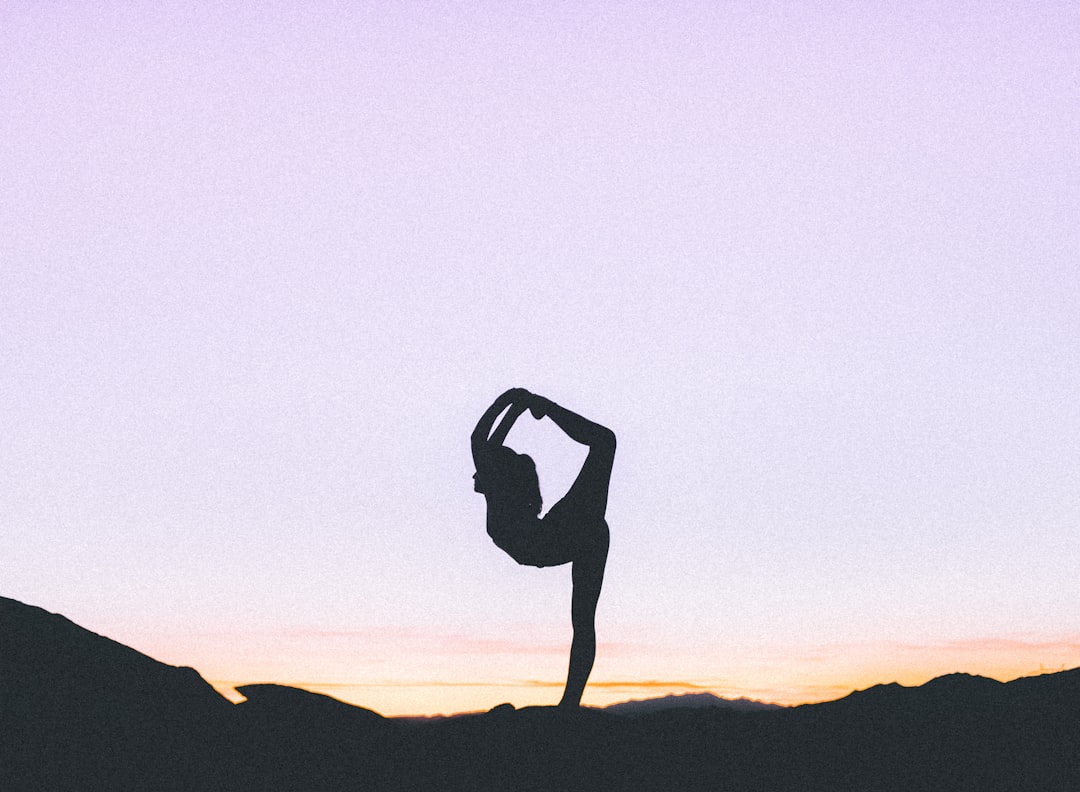
Exploring Sensuality: A Yoga Flow for Embodied Awareness
Learn a carefully sequenced, art‑inspired yoga practice that heightens body awareness, deepens intimacy with yourself, and invites a grounded sensory exploration. This guide blends movement cues, breathwork, and creative prompts so you can access sensuality as a form of mindful, embodied wellbeing.
Introduction: Why Sensuality Belongs in Your Yoga Practice
Sensuality is not a buzzword here—it's a precise way of noticing sensation, edge, and pleasure in the body. This is a guide for adults who want to translate contemporary art's focus on texture, touch, and presence into a practical yoga flow that cultivates intimacy with the self. Like visiting an exhibition, a well-designed practice invites curiosity, slow looking, and layered attention.
Many practitioners shy away from the word because of cultural misunderstandings. We reclaim it as a clinical, measurable domain of somatic perception: tuning into the skin, breath, fascia, and subtle shifts of sensation. If you want tips for building a regular practice or community accountability, see our primer on how to create a wellness community.
Before we move into the sequence, note how contemporary art frames sensuality. For a broad view of how climate and visual cues shape modern work (and can inspire movement), consider this perspective on contemporary art reflections. Art teaches us to sit with discomfort and beauty at once; yoga gives us an embodied vocabulary to practice that skill.
Inspiration: Contemporary Art, Touch, and the Body
Art as Invitation
Artists working today often emphasize texture, layered surfaces, and relational spaces—the very cues we can translate into movement. When a gallery piece asks you to lean closer, the body responds. In your mat practice, you can deliberately design moments that ask the same: sense more closely rather than perform more aggressively.
Practice as Curatorial Act
Building a sequence is like curating a show: choose contrasts, control pacing, and provide rests. If you are a practitioner who teaches or leads online, you'll find parallels with digital presentation and community building. For guidance on livestreaming classes and audience growth, check building a community around your live stream.
Creative Adaptation
Artists pivot when materials or context change; so should yogis. Read about creative pivots in art to inform how you might adapt your sequence or cues mid-class in response to students' needs in adapting to change: creators pivot.
Principles: What Sensual, Embodied Awareness Means
1. Sensation over Performance
Shift attention from achieving shapes to noticing input: temperature on the skin, subtle shifts in balance, the quality of breath. This recalibrates the nervous system from doing to sensing—an essential step toward embodied intimacy. For resources on building mental resilience and staying patient through progressions, see mental resilience research.
2. Consent and Boundaries
Sensuality in solo practice honors personal boundaries. Use language that respects limits—both physical and emotional—and offers options rather than directives. If you offer partnered or public classes, integrate the principles from creating safe spaces: aftercare to protect wellbeing after intense sessions.
3. Context and Curation
Your environment matters. A dimmer light, textured textiles, and curated sound can orient you inward. For practical ideas on building a restorative home environment, see our article about creating a cozy self-care space. Thoughtful curation makes it easier to drop into sensation.
Preparing Your Space and Props
Lighting, Textiles, and Scent
Soft, directional light complements tactile awareness. Layer a blanket under your hips, use a scarf as a gentle eye pillow, and choose a scent that supports relaxation—lavender or sweet orange in small amounts. The tactile environment primes the nervous system for somatic curiosity.
Choosing Props
Props help you extend exploration: blocks for supported heart-openers, bolsters for surrender, and a strap for slow, deliberate binds. If you need sustainable, travel-friendly options, consider guides on sustainable yoga gear as inspiration for eco-conscious mat kits.
Music and Sonic Texture
Sound shapes sensation. Curate a playlist with low frequencies and minimal lyric density to avoid cognitive interference. For ideas about how music events build bonding and can inform communal playlists, see music and bonding.
Breath & Mindfulness Practices for Embodied Attention
Slow Diaphragmatic Breaths
Start with a 5-minute diaphragmatic breathing primer: inhale for 4, exhale for 6, keeping the belly softly engaged. This exhalation-dominant pattern calms the sympathetic nervous system and increases interoceptive clarity—how well you sense internal body states.
Micro-Scanning and Noticing
A micro-scan is different from a full body scan: spend 30–60 seconds on one region—say the collarbones—notice temperature, pressure, and subtle movement. This targeted attention trains the somatic map in a precise way, enhancing later movement quality.
Anchors and Cues
Choose three anchors for the session—breath, weight through the feet, and a repeated tactile cue (e.g., awareness of palms). These anchors let attention return gently when it wanders. If you're building a regular online offering, anchor language helps students follow along remotely—learn more about building a community around your live stream.
The Sensual Yoga Flow: Warm-up, Core, and Closing
Warm-up (10 minutes): Inviting the Senses
Begin seated or in child's pose. Use slow cat/cow with intentional skin stretch, rolling the shoulders like sculpting clay. Include gentle neck circles with micro-breaths; each inhale lengthens, each exhale softens. Finish with seated pelvic tilts, sensing rhythm and edge rather than range.
Core Sequence (30 minutes): Slow Intensity with Micro-Adjustments
Design the heart of the practice around three structural themes: opening, spirals, and supported holds. For opening, use supported bridge with a block under sacrum and hands interlaced behind your head—notice the skin across the sternum. For spirals, practice revolved lunge with slow five-breath holds, focusing on pelvic tracking and the micro-feedback under the feet. For supported holds, try a reclined bound angle on a bolster and linger for a full 8–10 breaths, tracing sensations in the inner thighs and lower belly.
Closing (10–15 minutes): Integration and Rest
Close with an extended savasana using layered blankets and an eye bag. Invite a short journaling prompt: what sensation surprised you? What softened? End with a subtle seated roll-up, hands over the heart, and three grounding breaths to carry the session off the mat.
Step-by-Step Class Cues and Teaching Notes
Language That Invites
Use invitation-based cues: "If it feels safe, explore a micro-rotation here" rather than commands. Offer variations explicitly and name the zone of attention. If you teach publicly or online, practicing inclusive cueing supports retention; for community growth strategies see create a wellness community.
Tactile Imagery
Imagery like "soften the cradle of your pelvis" or "braid the breath with the ribs" can guide internal attention. Imagery should be culturally neutral and grounded in physiology so learners of all backgrounds can access it.
Timing and Pacing
Plan holds and transitions so students have at least two breaths to pivot attention. Slow pacing increases interoceptive clarity—hold a pose with eyes closed for 3–5 breaths, then open and note any changes. For home practice optimization, pair these strategies with equipment advice from guides on maximizing your home workouts to ensure your space supports regular training.
Modifications, Safety, and Injury Prevention
Common Contraindications
Sensual practices often include deep hip openers and backbends; check for hip labral pain, SI joint issues, or lumbar instability. If something sharp emerges during a pose, ease out slowly and document the movement that provoked it.
Progressions and Regressions
Offer three clear options: restorative (bolster + block), moderate (hands on mat), and active (full expression). This allows practitioners to remain engaged in sensation without overshooting capacity. For inspiration on selecting the right accessories to enhance practice safety and comfort, read selecting the right accessories.
Aftercare and Emotional Processing
Sensual practices can unlock emotion. Offer grounding practices post-class—guided breathwork, gentle walking, or journaling. When classes trigger intense responses, follow aftercare standards similar to beauty and bodywork settings in creating safe spaces: aftercare.
Partnered and Relational Variations
Prerequisites and Consent Rituals
Before partnered practices, establish boundaries: a safe word, opt-out gestures, and mutual check-ins. A simple consent ritual (two thumbs up to begin, hands over the heart to pause) reduces ambiguity and creates safety.
Partnered Touch Practices
Start with non-sexual touch: palm-to-palm mirroring, guided breath together, and weight-sharing forward folds. The goal is mutual regulation and attunement, not performance. If you plan to offer partner classes publicly, borrow community-building techniques from articles about digital community for movement.
Transitioning Back to Solo
After partnered time, allow five minutes of solitary rest. Use this to integrate relational sensations into individual body memory. Offer an optional journaling prompt that invites non-judgmental observation.
Integration: Bringing Sensual Awareness Off the Mat
Daily Micro-Practices
Integrate short rituals: a three-breath check-in before meals, scanning the hands while washing them, or noticing the texture of clothing against the skin. These micro-practices keep embodied awareness accessible during busy days. If you're interested in stress-relief techniques that incorporate daily routines, see gamification in skincare routines for creative habit ideas.
Rituals for Home and Travel
Create a small sensory kit for travel: a favorite oil (see recommendations on olive oil and your skin for safe topical uses), a scarf, and a short playlist. If you commute to group classes and need gear that travels well, our piece on sustainable yoga gear offers smart options.
Community and Support
Sensuality practice often deepens through shared language and support. Find (or start) small groups that practice consent-based, slow movement. Read about practical steps to create a wellness community and scale it thoughtfully. If you are experiencing emotional isolation, resources about resources for building community connections can be useful models for mutual care.
Tools, Gear, and Environmental Comparisons
Below is a comparison table outlining common props, their sensory impact, when to use them, and alternatives. Use this as a quick reference for planning sessions or assembling a portable practice kit.
| Prop | Sensory Impact | Best Use | When to Avoid | Alternative |
|---|---|---|---|---|
| Bolster | Deep pressure, support to surrender | Supported heart-opener, long rests | Acute shoulder or neck instability | Folded blankets |
| Block | Height and proprioceptive feedback | Standing balance, supported bridge | Sharp hip pain when used as a fulcrum | Stacked books or folded towel |
| Strap | Extended reach, anchored sensation | Gentle binds, hamstring work | Shoulder impingement with overhead pulls | Long scarf |
| Eye bag / scarf | Reduces visual input, heightens touch | Savasana, breathwork | Claustrophobia or light sensitivity | Soft hand over eyes |
| Blankets | Temperature regulation, cradle feeling | Hip support, layered comfort | Heat intolerance | Extra clothing or towel |
If you're building a mobile practice kit or curating accessories for students, consider sustainability and durability. For ideas on functional and eco-friendly gear, see our guide on sustainable yoga gear and how niche accessories can elevate practice in selecting the right accessories.
Measuring Progress: Metrics for Sensation and Intimacy
Subjective Journals
Keep a short post-practice journal: describe three sensations, note one emotional shift, and record a small action step for the day. This qualitative data reveals patterns in body memory and helps maintain curiosity.
Behavioral Markers
Track simple behavior markers: number of breath-based check-ins per day, minutes spent in slow holds, or count of micro-practices logged. These build habit and anchor attention. If you're scaling classes or designing programs, community metrics can guide decisions—learn how to build and sustain that structure in building a community around your live stream and create a wellness community.
Physiological Signals
Where feasible, monitor resting breath rate, sleep quality, or HRV trends to corroborate subjective improvements. Small wins in these markers often correspond to increased parasympathetic tone and improved interoceptive awareness. For inspiration on integrating digital tools thoughtfully, read about adapting movement communities to digital contexts at digital community for movement.
Community, Teaching, and Monetization
Starting Small and Ethical
If you teach, begin with pay-what-you-can community classes and build clear codes of conduct. Consent, accessibility, and clear aftercare protocols are non-negotiable. Useful operational advice about creating safe spaces can be found in creating safe spaces: aftercare.
Online Offerings and Growth
Hybrid models—mixing live, on-demand, and local meetups—scale both reach and intimacy. For concrete strategies on building an online audience and sustaining engagement, reference building a community around your live stream and apply those principles to class structure and retention.
Ethical Monetization
Charge fairly and offer sliding-scale options. Consider tiered offerings: free micro-practices, paid live classes, and a private cohort for advanced somatic exploration. Investing in community pays off—read practical steps to create a wellness community.
Pro Tip: Five deep exhales at the end of a supported heart opener often reveal the most subtle shifts. Encourage students to notice the first micro-change rather than waiting for dramatic breakthroughs.
Case Study: From Gallery Visit to Mat Practice
Case: A mid-career artist reported feeling dissociated after long studio sessions. We designed a four-week program pairing weekly 45-minute sensual yoga flows with gallery visits that emphasized tactile artwork. The combination improved subjective body awareness and reduced reported dissociation by self-report measures. If you lead retreats or pop-up classes, consider pairing art events and movement; practical shopping and event planning tips are in the art show shopping guide.
The program used community-building techniques from music events to encourage shared reflection exercises, adapted from research into how gatherings build trust in groups: see music and bonding. Students reported that the cross-modal pairing deepened their capacity for present-moment sensation.
If you are designing hybrid offerings, logistics and tech choices can follow the same frameworks used by fitness and movement communities; review scalable examples in building a community around your live stream and apply them locally.
Practical Checklist: Getting Started Tonight
- Choose a 30–45 minute window where you won’t be disturbed.
- Set lighting and select one tactile textile (blanket or scarf).
- Pick a single playlist with a steady low frequency.
- As you move, name three sensations and write one short sentence post-practice.
- If teaching, offer at least two modifications for each pose and a five-minute aftercare routine; review standards in creating safe spaces: aftercare.
Frequently Asked Questions
1. Is sensuality practice appropriate for beginners?
Yes. The emphasis on slow holds and sensation makes it very accessible. Start with restorative variations and short micro-practices, and increase complexity as interoceptive skill grows. If you need ideas for home-friendly equipment to support beginners, see maximizing your home workouts for guidance on ergonomic tools.
2. Can I teach this in public or online safely?
Yes, with clear consent protocols, canopy of options, and aftercare. Offer an explicit code of conduct and opt-out alternatives. For best practices when streaming and building an online offering, refer to building a community around your live stream.
3. What if I experience emotional release during practice?
Emotional release is common. Have grounding tools ready: breathing, gentle movement, and a short journaling practice. If you're offering classes, embed aftercare recommendations similar to those in creating safe spaces: aftercare.
4. How frequently should I practice to notice change?
Three short practices per week (20–45 minutes) plus daily micro-checks often generate measurable improvements in 4–8 weeks. Pair with community or accountability; strategies for starting a group are in create a wellness community.
5. Are there cultural considerations to keep in mind?
Always. Sensual language and touch are culturally loaded. Use inclusive, non-assuming language and default to permission-based contact. Offer non-contact alternatives and create a transparent framework for consent. Learn more about creating inclusive spaces and aftercare in creating safe spaces: aftercare.
Next Steps: Resources and Community Links
If you want to extend this practice into a program or hybrid offering, model how artists and event curators pair movement and sensory experiences. Consider hosting a small series that blends gallery visits with movement sessions to create cross-modal learning—see contemporary art reflections for inspiration and art show logistics for practical planning tools.
To cultivate lasting habits, combine the flow with daily skin- or scent-based rituals. Articles about olive oil and your skin and gamification in skincare routines offer ideas for low-friction, sensual micro-habits.
Finally, think about the practicalities of scaling class offerings. Use the community playbook to create membership tiers, sliding scale options, and boundary-driven partner sessions—start with resources about building a community around your live stream and create a wellness community.
Related Reading
- Weathering the Storm: Preparing for Career Setbacks - Mental resilience techniques that apply to creative and wellness careers.
- Streaming Wars: How Netflix's Acquisition Could Redefine Online Content - Context on digital content shifts relevant to class distribution.
- Tesla vs. Gaming: Autonomous Technologies and Game Dev - An example of tech disruption useful for thinking about hybrid offerings.
- Future-Proofing Cotton: Trends and Technology - Textile trends to consider when sourcing sustainable props and mats.
- Understanding Tailoring: Tips for Finding the Right Professional - Practical guidance if you commission custom textiles for studio spaces.