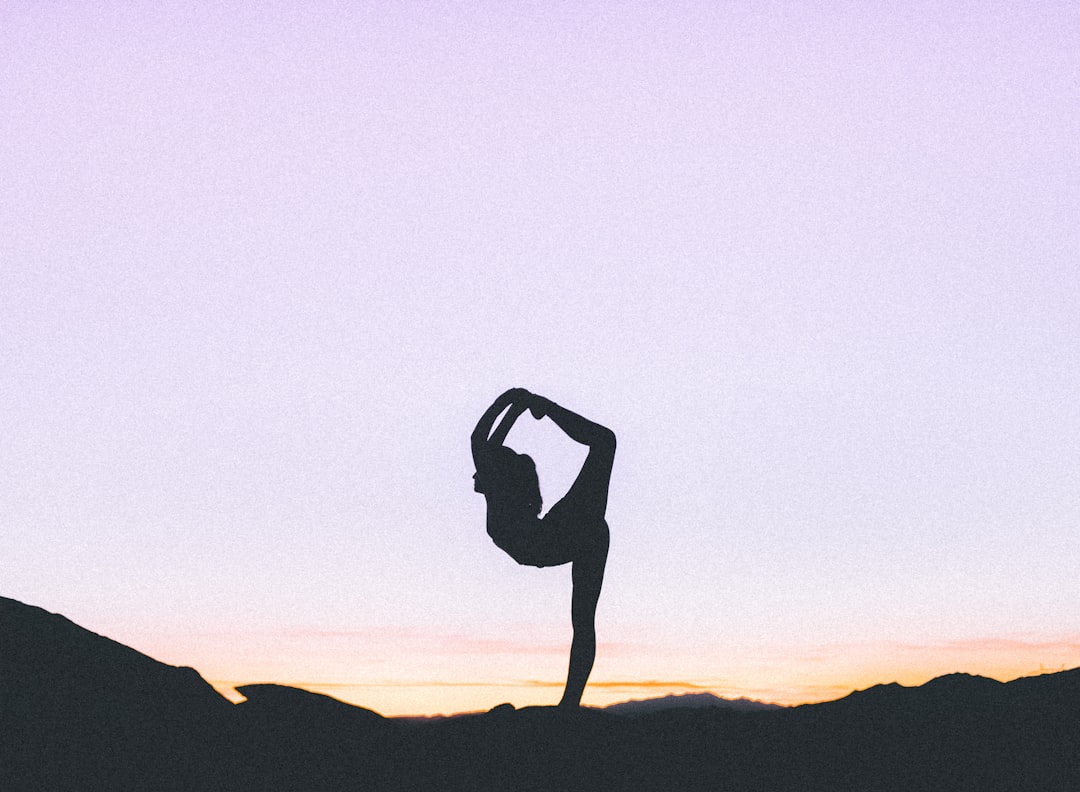
Start here: when you have 30 minutes, heavy thoughts, and a wish to move from brooding to quiet hope
Do you struggle to process big feelings in the small windows between work, caregiving, and life demands? You’re not alone. Many students tell us they want a focused, trustworthy at-home practice that blends movement, music, and writing—so their inner world can be witnessed and moved through, not ignored.
This 30‑minute combined yin yoga + guided journaling session mirrors the emotional arc of Memphis Kee’s Dark Skies: brooding, searching, then a glimmer of hope. It’s designed for busy people who need gentle surrender, nervous-system downshift, and clear reflective prompts to anchor inner work. No prior experience required—only a mat, one or two props, and a notebook.
The why — why this hybrid practice matters now (2026 trends)
In late 2025 and early 2026 we’ve seen three important shifts in mindfulness and movement offerings: hybrid micro-practices, music-integrated classes, and trauma-informed breath and hold work becoming mainstream in virtual studios. Practitioners want shorter, deeper experiences that pair physical surrender with reflective narrative work. This session responds to those trends by using long holds and targeted prompts to help your nervous system settle while your mind makes meaning.
Dark Skies (Rolling Stone, Jan 16, 2026) captures a similar arc—an artist reckoning with change, fear, and the hard, small openings of hope. In the words of Kee, “The world is changing… Me as a dad, husband, and bandleader… have all changed so much.” Let that arc guide how you move through and write about your own changing world.
“The world is changing… Me as a dad, husband, and bandleader… have all changed so much.” — Memphis Kee, Rolling Stone, Jan 16, 2026
What you’ll get in 30 minutes
- 20 minutes of mindful yin yoga (five long holds) arranged from heavy/brooding to opening/hopeful
- 8 minutes of targeted, reflective journaling (in‑pose micro-prompts plus seated reflection)
- 2 minutes of closing breath and anchor cue for re-entry
Preparation: props, setting, and safety
Find a calm corner, dim lights, and (optionally) play the album or an instrumental playlist that echoes its mood. Use a blanket, bolsters, and one or two yoga blocks. Wear comfy layers. Keep a water bottle nearby.
Safety notes: long holds can be intense. If you feel sharp pain, numbness, or lightheadedness, release the pose and rest. Pace breath—aim for slow, even inhales and slightly longer exhales to support the parasympathetic response (e.g., inhale 4–5s, exhale 6–7s). If you have recent injuries or are pregnant, modify poses or skip as needed and consult a clinician for any concerns.
Session structure: a 30‑minute arc from darkness to hope
Finish this practice with a short action step—an intention rooted in your writing. Below is a minute-by-minute blueprint you can follow live or record for yourself.
0:00–2:00 — Centering: set the tone
Sit comfortably. Close your eyes. Take three long, grounding breaths. Invite curiosity: What wants to be seen right now? Whisper to yourself: “I will notice, not fix.”
- Brief body scan from crown to toes (30s)
- Set a single-word intention (30s) — e.g., “surrender,” “listen,” “hold”
- Commit aloud or in your head: “Thirty minutes. I will return.” (1 min)
2:00–6:00 — Pose 1: Reclined Butterfly (brooding anchor) — 4 minutes
Props: bolster or folded blanket under spine optional. Lie on your back, soles together, knees falling open. Let hands rest on belly or chest.
Cues: Allow gravity to soften the outer hips and sacrum. Soften the jaw and brow. Breathe into the low belly. Hold for 3–4 minutes.
Reflective prompt (in-pose): “Name one heavy feeling you are carrying like weather. Describe it in one short sentence.” Spend the last minute free-writing in your notebook.
6:00–10:00 — Pose 2: Sphinx with hands forward (deep listening) — 4 minutes
Props: blanket under chest for comfort. From prone, prop forearms on the mat, elbows under shoulders, torso lifting to a gentle backbend focused in the thoracic spine.
Cues: Draw the ribs toward the mat slightly; soften the neck. Let breaths be slow and long. Imagine your breath sweeping through the sternum, opening a small inner space.
Reflective prompt (in-pose): “What story have you been telling about this feeling? Write the sentence you would tell a friend.” Spend the last 60 seconds writing.
10:00–14:00 — Pose 3: Half-Butterfly (internal interrogation) — 4 minutes each side
Props: bolster or block under the knee. Sit with one leg extending and the other foot close to the inner thigh. Fold forward over the extended leg with a soft spine.
Cues: Keep chest soft. Aim for a gentle stretch in the hamstrings and an internal softening of the mind—like listening to rain. Hold 4 minutes on each side (total 8 minutes). Breathe slow and even.
Reflective prompt (in-pose): On the first side: “What does my body say about this feeling?” On the second side: “Where in my day do I feel a small ease or relief?” Use 45–60 seconds per prompt to write.
18:00–22:00 — Pose 4: Supported Child’s Pose with wide knees (turning point) — 4 minutes
Props: bolster under torso, blanket under knees. Knees wide; forehead or block rests on the bolster.
Cues: Let the ribs open toward the mat; allow the sacrum to soften. Soften the listening—this is the midpoint where brooding may begin to shift. Keep breath long.
Reflective prompt (in-pose): “Name one small thing—an action, word, or thought—that shifted your tone in the past week. How small was it?” Spend the last minute writing. Notice any new softness in the body.
22:00–26:00 — Pose 5: Supported Heart Lift / Blocked Fish (glimmer of hope) — 4 minutes
Props: two blocks or a bolster placed vertically under the thoracic spine; a blanket under the head as needed. Lie back so the upper-middle back is supported and the heart has a gentle lift.
Cues: Allow shoulders to widen. Keep a neutral neck. This is a gentle chest opener—a physical metaphor for permission to receive. Breathe into the front of the body.
Reflective prompt (in-pose): “Imagine a future where this feeling has shifted. What’s one small sign that hope is arriving?” Write one or two sentences. Let the chest soften into that possibility.
26:00–28:00 — Seated writing: integrate (2 minutes)
Come to a comfortable seat. Read the short phrases you wrote during the poses. Circle a single line that feels true or moving. Ask: What small action would honor that line today?
Write an actionable commitment no longer than one sentence: e.g., “Tonight I will tell one family member I’m okay,” or “I’ll walk for 10 minutes and breathe.”
28:00–30:00 — Closing breath and anchor (2 minutes)
Place your hand over your heart. Take four coherent breath cycles (inhale 4–5s, exhale 6–7s). Name aloud or in your head the word you chose at the start. Whisper: “I can return.”
Stand slowly and note one physical change—lighter shoulders, softer jaw, easier breath. This is your “hope anchor” to carry out of the practice.
Why long holds and journaling work together
Long holds in yin, typically 2–5 minutes, give connective tissue and the nervous system time to respond. Teachers and somatic practitioners in 2024–26 increasingly highlight that sustained, passive pressure helps the parasympathetic nervous system engage, which reduces reactivity and supports reflective thinking.
Guided journaling during or immediately after holds captures the raw material of that newly regulated state—thoughts are less reactive and more descriptive. When you pair a long physical hold with a short reflective prompt, you create a safe laboratory for observing patterns and for drafting compassionate action steps.
Practical variants & accessibility options
- Shorter holds: If 4 minutes feels too long, reduce each hold to 90–120 seconds and keep the prompts brief—one line each.
- Chair version: Do Reclined Butterfly with feet on a chair; do Sphinx as a seated back extension; do Supported Heart Lift with a rolled towel behind the upper back while seated.
- Eye‑sensitive: Keep eyes lightly closed or focus on a single spot on the floor to avoid dizziness.
- When grief or trauma emerges: Use a grounding technique: name five things you see, four textures you feel, three sounds, two smells, one steady breath; then reassess journaling length.
Sample language for teachers and caregivers
Use simple, invitational cues: “If your body says one thing—listen. If it says stop—stop. This is a practice of witnessing, not forcing change.” Emphasize permission: “There’s no outcome you must reach in 30 minutes. The small noticing is the work.”
Aftercare: carry the practice into daily life (mini plan)
To deepen the emotional arc over the week, follow this 5-day micro-plan. Each day takes 5–10 minutes.
- Day 1: Re-read yesterday’s action sentence. Do the action.
- Day 2: 5 minutes of coherent breathing (inhale 4–5s, exhale 6–7s) + one-sentence journal of the felt shift.
- Day 3: Play one song from Dark Skies or instrumental equivalent while walking; note one line of imagery.
- Day 4: Short yin hold (90–120s) in Child’s Pose with a one-line gratitude note.
- Day 5: Revisit your first heavy sentence; rewrite it now with one more generous verb (e.g., ‘carried’ → ‘was carrying’).
Evidence and expert notes (brief)
Across the last several years practitioners and clinicians have integrated slow, sustained holds and breath focus to reduce autonomic arousal and improve interoceptive awareness. By 2026, digital wellness platforms commonly pair movement with reflective writing and music to increase adherence and deepen emotional processing. This session aligns with those developments by structuring an arc—brood, inquire, open—that feels coherent both physiologically and narratively.
Real-world tips from teachers
As a teacher and editor who’s tested short hybrid sessions with students and caregivers, I recommend these practical tips:
- Start with intention; it helps you come back the next day.
- Keep a “no judgment” timer: set a 60–90s timer for writing so your inner critic doesn’t hijack the practice.
- Use minimal props to avoid decision fatigue—one bolster, one blanket, one pen.
- If a prompt lands too heavy, reduce to one word instead of a paragraph.
Closing: gentle surrender is not resignation
Surrender in this context means allowing sensations, thoughts, and images to be present without trying to push them away. It’s an active, embodied noticing that creates space for hope to emerge—often subtle, sometimes surprising. Like Memphis Kee’s album arc—where darkness doesn’t resolve into false cheer but into a careful, real glimmer—this practice invites you to hold your night sky and watch where the light begins.
Call to action
Try the full 30‑minute practice today. If you’d like guided audio that follows this exact arc with a suggested playlist and printable prompts, join our next live session on yogas.live or download the free practice card. Subscribe now to receive weekly micro-practices that blend movement, music, and reflective writing—so you can move from darkness to hope, one small breath at a time.
Related Reading
- Cheaper Ways to Pay for Music: An Affiliate Guide to Spotify Alternatives
- Designing Inclusive In-Person Events: Accessibility, Spatial Audio, and Acknowledgment Rituals (2026)
- Telehealth Equipment & Patient‑Facing Tech — Practical Review and Deployment Playbook (2026)
- Guide: Pairing Free Local Listings with Microcations for Yoga Teachers (2026 Checklist)
- Elden Ring: How Patch 1.03.2 Reworks the Executor — Build Guide for the Buffed Nightfarer
- From Ocarina to Offline Play: Using Nintendo Nostalgia to Promote Family Bonding
- When Luxury Lines Leave: How L’Oréal’s Korea Pullback Could Affect Availability of Haircare and Specialty Treatments
- How Convenience Stores Like Asda Express Are Rewriting Single‑Serve Ice‑Cream Retail
- Podcasting Revenue Models Compared: From Goalhanger’s Subscriber Success to Ant & Dec’s Branded Channel