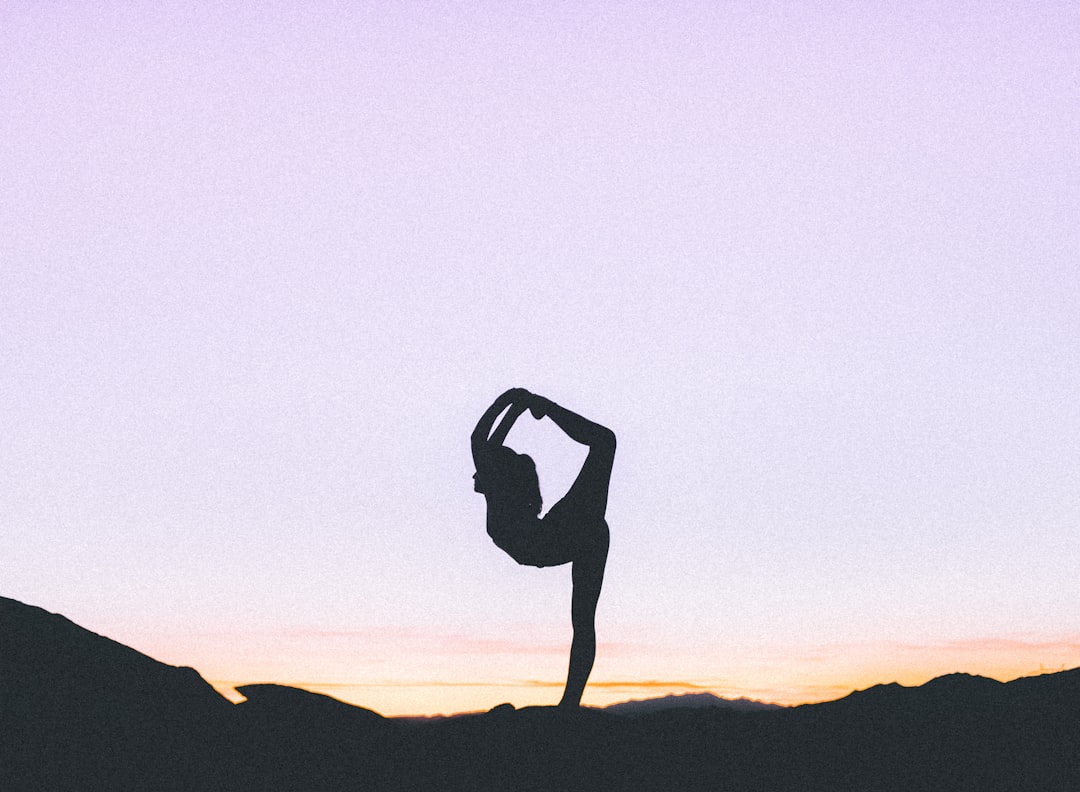
Films, especially those that strike a deep chord at festivals like Sundance, often evoke powerful emotional responses—from the soft murmur of a heartfelt goodbye to the overwhelming release of tears after a climactic revelation. These moments resonate because they connect us to our own vulnerabilities and humanity. In much the same way, yoga offers a path to explore, release, and transform emotions through mindful movement and breath. This definitive guide crafts a unique yoga flow inspired by the emotional highs and lows found in tear-jerking films, bridging cinematic storytelling with somatic healing.
1. The Power of Emotional Release in Yoga
Understanding Emotional Release Through Movement
Emotions are stored not only in our minds but also in our bodies, often manifesting as tension, tightness, or discomfort. A targeted yoga practice encourages the body to process these feelings by safely opening physical and energetic blockages. This therapy through movement nourishes self-awareness and provides a safe container to let emotions rise and fall naturally.
Scientific Insights on Yoga and Mindfulness
Research consistently shows that incorporating mindfulness and breathwork in yoga activates the parasympathetic nervous system, calming the brain’s emotional centers. This biological mechanism helps reduce anxiety and supports mindfulness, enhancing emotional regulation. The practice also promotes neuroplasticity that can reframe emotional responses over time.
Film Inspiration as Emotional Catalyst
Sundance and similar film festivals celebrate stories that push emotional boundaries and evoke empathy. Drawing inspiration from these films can amplify the yoga experience by directing attention to specific emotions like grief, hope, or resilience. Pairing cinematic narrative with breath, movement, and stillness creates a multisensory journey of emotional exploration.
2. Crafting the Sequence: Emotional and Physical Themes
Opening: Grounding and Gentle Awareness
Begin with calming centering postures that cultivate safety and presence. Poses like Child’s Pose (Balasana) and Seated Forward Fold (Paschimottanasana) invite introspection and ease. These are the quiet moments before tears, much like the subtle buildup in films before an emotional crescendo. For more on starting your practice with grounding techniques, see our guide on gentle movement yoga.
Middle Flow: Expressing Vulnerability and Release
The heart of the sequence mirrors the emotional ebb and flow of a tear-jerking scene—vulnerable, sometimes turbulent, gradually moving toward resolution. Incorporate heart-opening poses such as Camel Pose (Ustrasana) and twisting postures like Revolved Triangle (Parivrtta Trikonasana) to release stored emotional tension. Moving through dynamic sequences like vinyasa flows inspired by athletes’ recovery routines can amplify both strength and release.
Closing: Reflection and Restoration
End with restorative postures like Supported Bridge Pose (Setu Bandha Sarvangasana) and Legs-Up-The-Wall (Viparita Karani) to integrate the emotional work. These poses create a nurturing space to cultivate self-compassion and seal the practice with quiet meditation or breath awareness. For a deeper dive into restorative sequences, check our article on adapting wellness rituals.
3. Step-by-Step Breakdown of the Emotional Release Yoga Flow
Step 1: Centering Breath and Gentle Movement (10 minutes)
Start seated on your mat. Close your eyes and bring focus to your breath with 5 minutes of deep, slow inhales and exhales. Incorporate gentle neck rolls and seated side stretches to awaken the spine.
Step 2: Warm-Up Poses (10 minutes)
Transition into Cat-Cow (Marjaryasana-Bitilasana) to fluidly open the back and chest. Then progress to Downward Facing Dog (Adho Mukha Svanasana), pedaling your feet to stretch calves and hamstrings.
Step 3: Dynamic Heart-Opening Flow (15 minutes)
Flow through these poses, holding each for 3-5 breaths: Low Lunge (Anjaneyasana) with a chest lift, Camel Pose, and gentle backbends. Include twists like Revolved Triangle to wring out emotional tension.
Step 4: Standing Balances to Ground Emotion (10 minutes)
Practice Tree Pose (Vrksasana) and Warrior Series (Virabhadrasana I, II, III) to foster inner stability and resilience, mirroring narratives of overcoming adversity in film.
Step 5: Cool-Down and Restorative Poses (15 minutes)
Move through forward folds and gentle twists, culminating in long-held restorative poses to calm the nervous system before closing with seated meditation.
4. Incorporating Mindfulness and Breathwork
Using Pranayama to Influence Mood
Breathwork techniques are invaluable for regulating emotion during practice. For example, Ujjayi Breath creates a calming rhythm, while Nadi Shodhana (Alternate Nostril Breathing) balances the nervous system. Integrating these pranayama practices enhances the mindfulness component of your flow.
Anchor Points: Cultivating Present-Moment Awareness
Throughout the sequence, use body sensations or sound cues from the breath as anchors. This continuous return to the present helps prevent emotional overwhelm and deepens the connection to subtle feelings, similar to how films use sensory details to heighten audience connection.
Guided Visualization Inspired by Storylines
Enhance emotional processing with guided imagery reflecting the narrative arc—perhaps visualizing healing waterways or rising phoenix imagery symbolizing transformation. Such creative cues support both emotional safety and growth.
5. Emotional Themes Mapped to Yoga Poses
| Emotion | Yoga Poses | Therapeutic Benefit |
|---|---|---|
| Grief | Child’s Pose, Forward Fold, Legs-Up-The-Wall | Encourages inward reflection and gentle surrender |
| Vulnerability | Heart Openers: Camel, Bridge, Cobra | Opens the chest, promoting emotional openness |
| Resilience | Warrior Poses, Tree Pose | Builds stability and groundedness |
| Release | Twists: Revolved Triangle, Seated Spinal Twist | Detoxifies both body and emotional patterns |
| Peace | Savasana, Supported Bridge | Facilitates calm integration and rest |
6. Real-World Case Study: Therapeutic Effects from a Sundance-Inspired Yoga Workshop
In 2025, a yoga therapist collaborated with filmmakers presenting at Sundance to design a workshop based on their films’ emotional arcs. Participants reported increased emotional clarity, catharsis, and sustained motivation to engage in their personal healing journeys. This case highlighted the analytics from love and loss as a crucial dynamic for self-awareness and empathetic connection.
7. Tips for Safe Practice and Modifications
Listening to Your Body
Emotional release can sometimes manifest as physical discomfort. Always honor your limits and use props such as blocks, blankets, or bolsters to adapt poses. Incorporating modifications can help avoid injury while deepening emotional accessibility.
Preventing Overwhelm
Some film-inspired themes, like grief or trauma, may be intense. Complement this sequence with shorter meditations or seek professional guidance if feelings become overwhelming. Our guide on adapting wellness rituals covers such emotional safety tips.
Integrating Community and Support
Moving through emotion is powerful when shared in a community that holds space for vulnerability. Consider joining live or virtual group classes for accountability and encouragement, or booking complementary recovery services like massage therapy to support bodily integration.
8. Enhancing Audience Connection Through Multimedia Inspiration
Curating Playlists and Visual Themes
Set the mood by pairing your session with evocative soundtracks reminiscent of film scores or select images from Sundance favorites. This enriches the sensory experience and deepens emotional resonance. For audiobook and documentary recommendations, see 7 Documentaries Every Music Creator Should Watch.
Storytelling as a Mindfulness Tool
Invite participants or yourself to reflect on personal stories related to the film themes during practice. This narrative mindfulness enhances self-compassion and emotional agility, supporting lasting change.
Recording and Reflecting on Your Practice
Journaling or video logging post-session responses can provide insights into progress and emotional patterns, facilitating growth. For content creators interested in therapeutic storytelling, check out Darren Walker’s transition insights.
9. FAQ: Common Questions on Yoga for Emotional Release Inspired by Film
Can beginners practice this emotional release yoga flow safely?
Absolutely. The sequence is adaptable with modifications. Beginners should focus on breath awareness and gentle movements, gradually increasing intensity.
How often should I practice this sequence?
Practicing 2-3 times a week is ideal for deep emotional processing, but even occasional sessions can provide benefits.
Can this sequence replace therapy?
This yoga flow complements but does not replace professional mental health therapy. Use it alongside counseling or emotional support services.
Is prior knowledge of the films necessary?
Not at all. While familiarity enhances thematic connection, the flow’s mindfulness focus makes it accessible to all.
What props do I need for this practice?
Blocks, a yoga strap, and a bolster or folded blanket enhance comfort and accessibility for restorative poses.
Related Reading
- Gentle Movement: Yoga Techniques Inspired by Sports - Explore how gentle yoga supports recovery and emotional balance.
- 7 Documentaries Every Music Creator Should Watch - Discover how documentaries evoke emotion and inspire creativity.
- How to Adapt Your Wellness Rituals for a Changing World - Tips for evolving your self-care in dynamic times.
- Unlocking the Secrets of Meditation for Healthy Hair - A unique intersection of mindfulness and physical health.
- Analytics from Love and Loss: What Yvonne Lime’s Legacy Teaches Podcasters About Impact - Insights on emotional storytelling that resonates deeply.