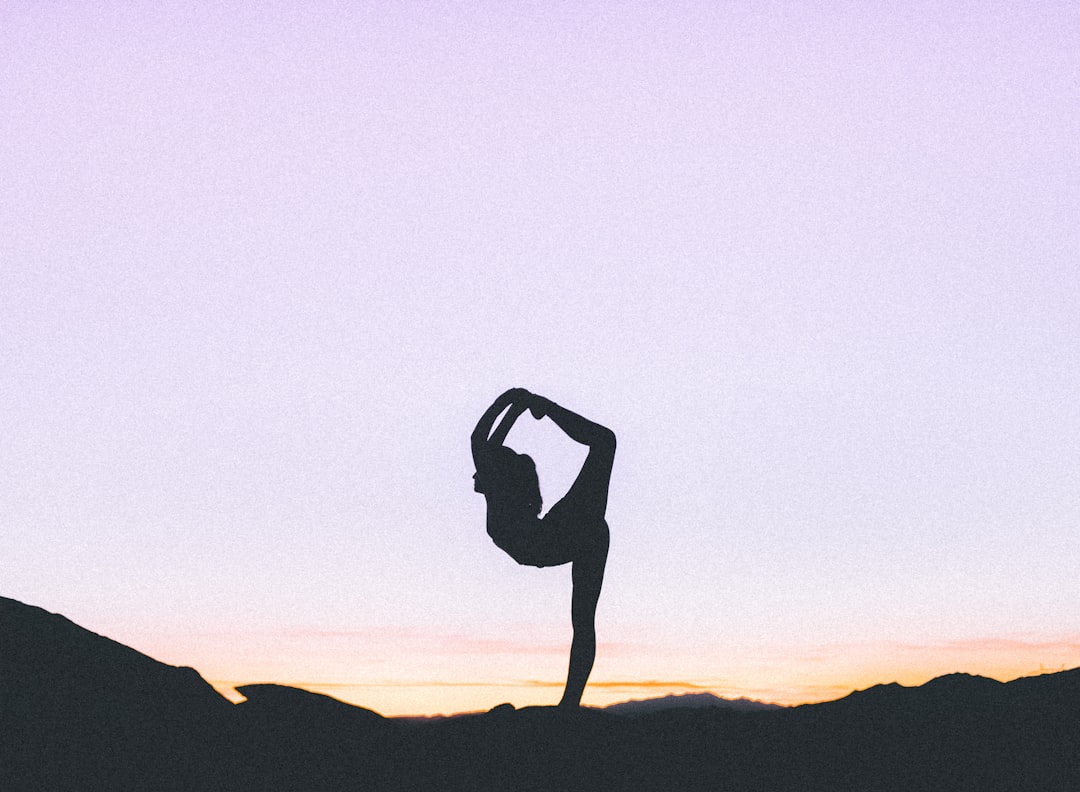
The Art of Mindful Movement: Dancing Through Your Yoga Flow
Integrating the expressive nature of dance with yoga deepens presence, body awareness, and creative flow. This definitive guide shows you how to blend movement, music trends, and safe sequencing so your practice feels like a living performance — whether you have 10 minutes or 90.
Introduction: Why Dance and Yoga Belong Together
Dance and yoga share DNA: breath, rhythm, spatial awareness, and the urge to communicate through the body. When combined intentionally, the two practices amplify each other — yoga provides alignment and breath-based steadiness while dance brings expressive freedom and flow. Contemporary teachers are blending playlists, cinematic soundscapes, and improvisational cues to meet students where they are, influenced by trends in streaming, artist reinvention, and atmospheric listening experiences.
For a primer on how music changes movement, see The Power of Playlists: How Music Can Elevate Your Workout, which explains why tempo and song choice impact perceived effort and engagement. To learn how to set an immersive atmosphere beyond music, explore our piece on Scentsational Yoga: How Aromatherapy and Scented Accessories Enhance Your Practice — scent and sound together create a multisensory container that supports creative flow.
This guide is for health-conscious movers, caregivers looking for safe inclusivity, and wellness seekers who want to bring more play into their home practice. Whether you want to lead a class or design your personal ritual, you'll find step-by-step cues, practical playlists, and safety considerations grounded in anatomy and experience.
1. What Is Dance Yoga? Definitions and Lineage
1.1 A working definition
Dance yoga refers to practices that deliberately integrate somatic, improvisational, or choreographed dance elements into standard yoga frameworks. It emphasizes musicality, transitions, expressive improvisation, and spatial exploration while maintaining yoga’s emphasis on breath, alignment, and intention-setting.
1.2 Roots and modern influences
While rooted in traditional asana, contemporary dance-yoga borrows from creative movement, ecstatic dance, contact improvisation, and movement therapy. Teachers often draw inspiration from popular music movements and streaming-era aesthetics — from cinematic scores to genre-blending pop. Read about artist reinvention and streaming trends in Streaming Evolution: Charli XCX's Transition from Music to Gaming and Charli XCX’s Fashion Evolution to see how artists reshape context — a useful analogy for how teachers adapt material.
1.3 How this differs from dance classes and from traditional yoga
Dance-only classes prioritize choreography and aesthetic performance. Traditional yoga classes focus more on alignment, breath, and the meditative lineage. Dance yoga intentionally holds both: sequencing that honors biomechanics and transitions that invite expressive improvisation. The result is an embodied, artistic practice that still prioritizes safety and therapeutic benefit.
2. The Benefits: Mindful Movement, Body Awareness, and Freedom of Expression
2.1 Physical benefits
Dance yoga increases mobility through dynamic range-of-motion work, develops functional strength by moving through weight shifts, and challenges balance with rhythmic transitions. These gains are often more sustainable because students enjoy the practice — motivation and adherence naturally improve when movement is pleasurable.
2.2 Mental and emotional benefits
Musical cues and expressive movement help regulate mood, lower perceived stress, and promote creative problem-solving. For caregivers and health consumers, this combination can be a powerful tool for emotional processing and resilience. For evidence-based practice on group engagement and learning, see methods in Winter Break Learning: How to Keep Educators and Learners Engaged, which offers transferable insights on motivation and retention.
2.3 Social and community benefits
Dance yoga fosters connection: partner sequences, mirroring exercises, and community playlists create shared experience. Thoughtful curation of community spaces — whether live or streamed — enhances belonging. For ideas about designing collaborative environments, check Collaborative Community Spaces: How Apartment Complexes Can Foster Artist Collectives.
3. Music Integration: From Playlists to Cinematic Soundscapes
3.1 Why music matters for dance yoga
Music provides tempo, emotional color, and structural cues for transitions. Studies show that synchronizing movement to music can increase enjoyment and reduce perceived exertion; practical implications are covered in The Power of Playlists. Music also anchors memory: songs become triggers for effective sequencing that students recall between sessions.
3.2 Current music trends to inspire your flows
In 2026 the music landscape blends nostalgic synth textures, soulful R&B, global percussion, and cinematic scores. Producers like Hans Zimmer are reimagining iconic themes (see How Hans Zimmer Aims to Breathe New Life) while pop stars are repurposing genres for streaming-era audiences (read about artist trajectories in Anatomy of a Music Legend).
3.3 Playlist archetypes for different class goals
Create playlists around purpose: grounding (ambient drones and low-tempo beats), energizing (percussive world music and upbeat R&B), meditative (cinematic pads and sparse field recordings), and expressive/improvisational (eclectic mashups). For creative inspiration and how artists recontextualize vibe, see Ari Lennox’s Vibrant Vibes and the conversation about how music affects other lifestyle routines in Breaking the Norms.
4. Designing Your Dance-Yoga Class: Structure, Cues, and Intent
4.1 Start with an intention and container
Every class benefits from a clear intention. Decide the energetic arc: warm-up (breath/activation), moving peak (dynamic sequences), expressive improvisation (free dance or guided exploration), and integration (restorative closing). Intention guides music selection and movement density.
4.2 Sequencing for flow: example class blueprint
Example 60-minute blueprint:
- 5–8 min grounding + breath with ambient music
- 10–12 min dynamic joint mobility (sun-salute variations with rhythmic cues)
- 15–20 min movement windows (flow sets with dance transitions)
- 8–10 min express improvisation over an open loop
- 8–10 min restorative cooldown and breathwork
4.3 Cueing language for dance + yoga
Blend technical and evocative language: pair alignment cues (“root through the back heel, lift the inner arch”) with expressive prompts (“let your spine speak, wave from your solar plexus”). Use imagery and tactile metaphors to guide students through unfamiliar movement without micro-managing form.
5. Sequencing & Creative Flow: Choreography vs. Improvisation
5.1 When to choreograph
Choreography is useful for building a shared vocabulary and for public classes that require cohesion. Short, repeated motifs (a three- to eight-count phrase) help groups feel synchronized. Use choreography for sequences that teach alignment safely while still encouraging expressivity.
5.2 When to invite improvisation
Improvisation fosters presence and empowers students to personalize their movement. Offer constraints (e.g., only move in the hips for 1 minute; explore three directions) to contain choice and reduce overwhelm. For creative barrier work and representation concerns, see Overcoming Creative Barriers.
5.3 Teaching transitions as artistic connectors
Transitions are the heartbeat of flow: weight shifts, arm swings, and breath-timed pivots knit poses into a continuous dance. Practice transitions slowly with alignment emphasis before adding tempo so students can explore safely and confidently.
6. Body Awareness, Biomechanics, and Safe Expression
6.1 Core principles of safe expression
Prioritize joint safety: maintain neutral spine mechanics when loading, cue knees over toes during lunges, and use progressive spinal mobility. Always offer regressions for common concerns (low back tension, shoulder instability) so freedom of expression doesn’t equate to injury risk.
6.2 Modifications and props
Props (blocks, straps, bolsters) are essential to democratize creative expression. A block under the hand can enable expressive arm patterns without compromising hip alignment. Use props to scaffold complexity and keep students moving with dignity and independence.
6.3 Screening and class inclusivity
Start with a brief screening question: “Any pain, recent injuries, or restrictions today?” Offer language that honors difference and avoids ableist phrasing. For building confidence and leadership that transfers to group dynamics, review tips in What to Learn from Sports Stars.
7. Tools & Tech: Playlists, Sound Design, and Streaming Your Class
7.1 Crafting a playlist with intention
Map your playlist to the class arc. Start with low-frequency tracks for grounding, increase tempo for movement windows, then slow into ambient textures for integration. Keep tracks with smooth beat transitions or cross-fade to avoid abrupt interruptions to flow. For ideas about playlist power in workouts, see The Power of Playlists.
7.2 Licensing and music rights for public classes
If you teach publicly or stream classes, be mindful of licensing. Many streaming platforms and local performance rights organizations have policies — ensure you’re covered to avoid disputes. For context about music industry rights and disputes, review the Pharrell/Chad Hugo case in Pharrell Williams vs. Chad Hugo.
7.3 Streaming tips for artists and teachers
High-quality audio is essential: use a stereo interface, compress minimally, and test your audio across devices. For creative streaming approaches and how artists pivot into new platforms, read about Charli XCX’s transition in Streaming Evolution: Charli XCX and her stylistic reinvention in Charli XCX’s Fashion Evolution.
8. Case Studies: Creative Flow in Action
8.1 Studio case: Themed soundscapes and community rituals
A leading urban studio ran a month-long 'cinematic flow' series using orchestral loops and live cello to anchor movement. Attendance rose because the experience felt unique and shareable. For ways music reshapes ritual, read The Evolution of Music Awards, which tracks how sonic prestige influences cultural uptake.
8.2 Home-practice case: Micro-retreat with music and scent
One caregiver built a 30-minute daily ritual combining breath, a short movement sequence, and a diffuser blend. This micro-retreat increased consistency. For instructions on making effective home retreats, consult How to Create Your Own Wellness Retreat at Home and integrate scent cues per Scentsational Yoga.
8.3 Musical atmosphere case: Curating emotional arcs
One teacher used a three-part music arc: fragile piano to open, propulsive percussion in the middle, and a resonant pad to close. Students reported deeper emotional release. For inspiration on building listening atmospheres, see creative examples like How to Create a Horror-Atmosphere Mitski Listening Party, which, although genre-specific, demonstrates how thematic curation changes audience experience.
9. Comparison: Yoga Styles and Dance Elements (Quick Reference)
Below is a compact comparison to help teachers and students choose the right blend of yoga style and dance element for specific goals.
| Goal | Yoga Style | Dance Element | Music Archetype | Best Class Length |
|---|---|---|---|---|
| Mobility & Breath | Vinyasa Yin blend | Slow undulation, hip circles | Ambient, 60–70 BPM | 45–60 min |
| Strength & Endurance | Power Vinyasa | Rhythmic step patterns, jumps | Upbeat R&B or house, 110–130 BPM | 60–75 min |
| Expressive Release | Restorative + Freeform | Improvisational wave work | World fusion & downtempo | 30–60 min |
| Meditation & Integration | Yin / Restorative | Minimal movement, breath-led | Cinematic pads, field recordings | 20–40 min |
| Community & Performance | Creative Flow / Choreography | Short choreo motifs, partner work | Eclectic mashups, dynamic beats | 45–90 min |
10. Bringing It Home: Programs, Retreats, and Booking Recovery
10.1 Designing a home program
Set a weekly rhythm: 2 movement days, 1 expressive/free-dance day, 1 restorative day. Use short daily practices (10–20 minutes) to build consistency. If you need a deeper template for a home retreat, review How to Create Your Own Wellness Retreat at Home for practical planning tips.
10.2 Booking complementary recovery services
Pairing sessions with massage or myofascial release can amplify mobility gains. If you offer booking for recovery services, coordinate timing: schedule deeper soft-tissue work after a movement peak day, not immediately before, to allow tissues to warm through movement first.
10.3 Choosing the right spaces
Space matters. Choose rooms with enough square footage for full range of motion and with acoustics that support your playlist. For tips on locating ideal practice spaces, see Locating Your Flow: Choosing the Best Yoga Spaces.
Pro Tip: Sequence transitions before peaks. Practice each transition slowly at least three times without music, then add tempo. This keeps your class safe and your students confident.
11. Overcoming Barriers: Creative, Cultural, and Practical
11.1 Creative barriers
Many teachers fear improvisation or feel culturally uncertain about certain movement vocabularies. Address this by studying forms respectfully, offering clear context, and using constraints rather than open-ended prompts. For a deep dive into navigating cultural representation, read Overcoming Creative Barriers.
11.2 Practical barriers: time, tech, and licensing
Busy students benefit from micro-sessions and curated playlists. For streaming and licensing considerations, revisit points about music rights and artist transitions such as in Pharrell Williams vs. Chad Hugo and artist pivoting examples in Streaming Evolution.
11.3 Building confidence as a teacher
Start small: host an 8-week creative flow series, solicit student feedback, and iterate. Building a signature voice takes time. For marketing and influence tips that translate well to class promotion, see Crafting Influence: Marketing Whole-Food Initiatives on Social Media.
Frequently Asked Questions
1. Is dance yoga safe for beginners?
Yes — with appropriate modifications, clear cueing, and a foundation of breath and alignment, beginners can participate fully. Start with slower tempos and guided transitions.
2. What equipment do I need to start?
Basic props: yoga mat, block, strap, and a bolster or folded blanket. Good audio playback and optional diffuser increase immersion.
3. How do I find music that’s legal to use in class?
Use licensed music services for teachers, royalty-free libraries, or obtain permission. Understand local performance rights organization rules for in-person and streamed classes — see the Pharrell/Chad case for why rights matter.
4. Can dance yoga help with trauma or emotional release?
Yes, when taught sensitively. Use grounding techniques and offer opt-out options for emotionally intense exercises. Partner with mental health professionals for trauma-informed programming.
5. How can I measure progress in a creative practice?
Track consistency, range-of-motion changes, and subjective metrics like mood and perceived ease of movement. Collect short student reflections after sessions to monitor progress.
Conclusion: Finding Your Voice in Movement
Dance yoga offers a pathway to deeper presence, improved body literacy, and joyful expression. By combining smart sequencing, music-aware programming, and trauma-informed approaches, you can create classes that are both liberating and safe. Let trends in music and sound design inform your playlists, but let breath and biomechanics govern your choices.
For more inspiration on musical atmospheres and artist storytelling, explore how awards and biographies shape music culture in The Evolution of Music Awards and Anatomy of a Music Legend. To expand your home practice into a structured micro-retreat, see How to Create Your Own Wellness Retreat at Home.
Related Reading
- Scentsational Yoga - Learn how scent and accessories can deepen your practice.
- The Power of Playlists - Practical tips to build powerful class playlists.
- How to Create Your Own Wellness Retreat at Home - Step-by-step retreat planning for home practice.
- Locating Your Flow - Choosing spaces that support flow and community.
- How Hans Zimmer Aims to Breathe New Life - Use cinematic scoring to inspire sequence arcs.