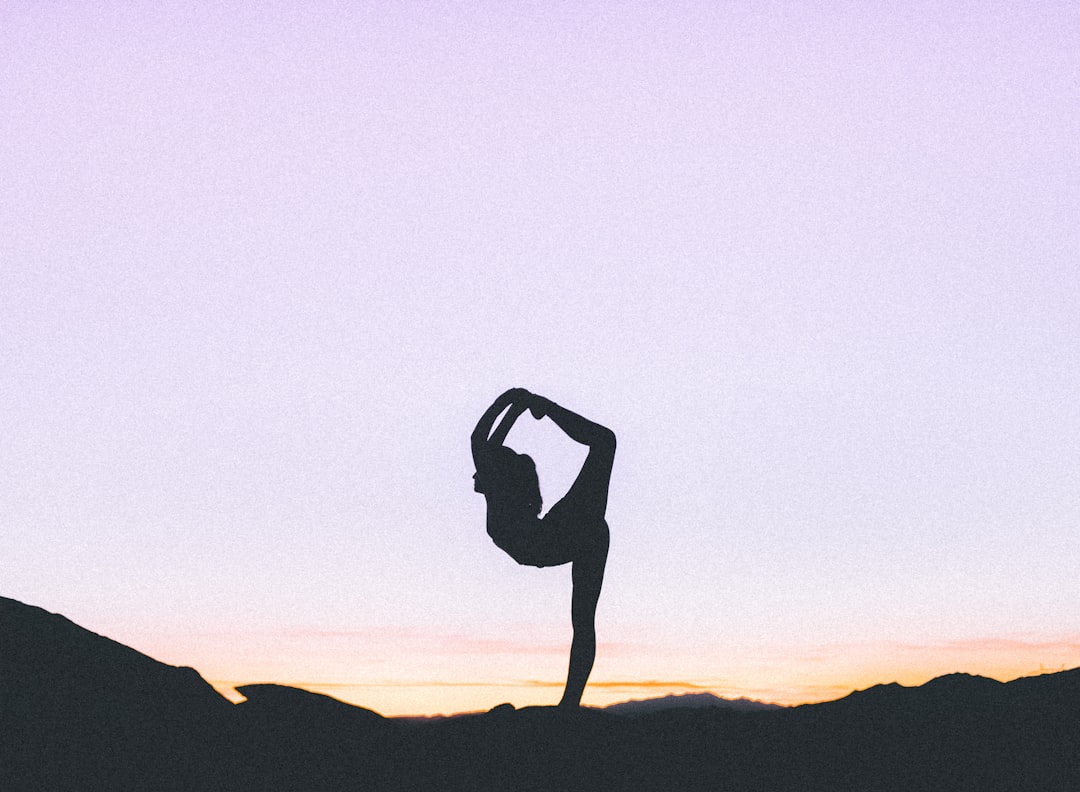
Beat nerves, build power, and show up like a headliner — even if your stage is a court, a field, or a theater dressing room.
Short on time, unsure which moves truly raise your heart rate and hone presence, or nervous about sustaining stamina through a 90‑minute set or a high‑stakes competition? This pre‑performance sequence — Vinyasa to Victory — borrows the physicality, pacing, and showmanship of big‑stage performances like Bad Bunny’s Super Bowl trailer (Rolling Stone, 2026) and translates them into a practical, sport‑smart warm‑up for athletes and dancers.
The one‑line version (most important first)
Vinyasa to Victory is a 20–30 minute pre‑performance routine that blends dynamic mobility, power yoga flows, breath control, and presence drills to build muscle activation, elevate anaerobic readiness, and sharpen stage‑worthy focus. Use it as a full warm‑up or adapt a focused 10‑minute primer before quick entries.
“The world will dance.” — Bad Bunny, previewing Super Bowl energy and global showmanship (Rolling Stone, Jan 2026).
Why this routine matters in 2026
In late 2025 and early 2026 we’ve seen three trends collide: the rise of hybrid performance training (strength + mobility + breath), the mainstreaming of wearable readiness metrics (HRV, readiness scores), and an emphasis on presence and storytelling in competition and entertainment. Athletes and dancers now need warm‑ups that build power, stamina, and presence — not just flexibility.
That means warming muscle chains for explosive output, engaging breath for anaerobic management, and rehearsing the micro‑choices that create presence onstage or in competition. This routine combines those elements into a repeatable flow you can do in locker rooms, backstage, or on the sideline.
How to use this guide
- If you have 25–30 minutes: run the full routine (Warm‑Up + Activation + Presence Blocks + Cool‑Down).
- If you have 10–12 minutes: use the Quick Primer section for a condensed activation focused on power and breath.
- Modify intensity for sport type: athletes emphasize explosive transitions; dancers add more mobility and balance repetitions.
Build overview — Timing & focus
- Phase 1 — Mobility & joint prep: 5–7 minutes
- Phase 2 — Power Vinyasa activation: 8–12 minutes
- Phase 3 — Presence, breath control, and mental mapping: 3–5 minutes
- Phase 4 — Quick cooldown & priming cues: 2–3 minutes
Safety & performance notes (expertise & trustworthiness)
Warm‑ups must be progressive. Start slow and increase intensity to match expected exertion. Use pain as a stop signal — sharp joint pain means stop. If recovering from injury, prioritize targeted activation (glute/rotator cuff) and consult your physiotherapist. This routine emphasizes movement patterns over static holds; research and practitioner consensus in 2025–2026 support dynamic warm‑ups for power and agility readiness.
The Routine — Vinyasa to Victory (25 minutes)
Equipment
- Mat or non‑slip surface
- Light resistance band (mini loop) for glute activation
- Optional: light weighted vest or 2–5 lb dumbbells for power drills
Phase 1 — Mobility & joint prep (5–7 minutes)
Purpose: increase blood flow, lubricate joints, and prepare fascial lines for powerful movement.
-
1 minute — Standing breath reset
- Feet hip‑width, inhale 4 counts through nose, exhale 6 counts through mouth. Repeat 6 cycles. Cue: feel ribs expand laterally on inhale; anchor through feet on exhale.
-
1 minute — Cat/Cow to Dynamic Ragdoll
- 6 rounds of Cat/Cow (5–6 seconds each). Transition to forward fold, knees soft, sway side to side to open hamstrings.
-
2 minutes — Hip and ankle prep
- World’s Greatest Stretch (alternating): 6 reps per side. Ankle circles: 10 each foot. Lateral leg swings: 10 each side.
-
1 minute — Band glute activation
- Mini‑band side steps: 20 steps each direction. Reverse band monster walks or banded clamshells (15 each side) if space is tight.
Phase 2 — Power Vinyasa activation (8–12 minutes)
Purpose: link breath and movement, recruit fast‑twitch muscle fibers, practice transitions under load.
-
Flow set — 4 rounds (approx. 6–8 minutes)
- Start in Downward Dog. Inhale to Plank, exhale lower halfway (Chaturanga) — or knee‑modification for dancers. Inhale to Upward Facing Dog, exhale to Down Dog. Move with 4‑count inhales and 4‑count exhales for rounds 1–2; increase to 3‑2 counts (fast inhale, explosive exhale) for rounds 3–4 to simulate game‑time bursts.
- After each round, add a purposeful explosive transition: jump to forward fold and explode up to a Warrior I with a driven knee for athletes, or a controlled high lunge with an artistic arm sweep for dancers. Hold 1 breath cycle to reinforce presence.
-
Power finisher — Plyo or strength (choose by role)
- Athletes: 3 sets of 6 tuck jumps or box jumps (or single‑leg bounds for sport specificity). Rest 20–30s between sets.
- Dancers: 3 sets of 6 explosive plié jumps into soft landings, focusing on alignment and quick arm coordination to simulate stage movement.
- If space or joint concerns: do 3 sets of 8 fast mountain climbers or 10 alternating walking lunges with an explosive reach.
Phase 3 — Presence, breath control & voice (3–5 minutes)
Purpose: stabilize breath under stress, rehearse presence cues, and prime vocal projection if needed.
-
Box breathing with movement
- 4 counts inhale, hold 3 counts, 4 counts exhale, hold 3 counts. Do this while doing slow prasarita lunges (or shoulder rolls) for 2 cycles. Cue: use the breath box to slow pre‑show adrenaline and preserve oxygen for high‑intensity bursts.
-
Presence drill — Micro‑entrances
- Recreate your first 10 seconds onstage or first play on court. Walk in with purpose for 30s: visualize lighting, audience, or opposing team; pick a focal point and commit. Repeat twice. This conditions the nervous system to match physical readiness with performance intent.
-
Vocal activation (optional)
- Humming up and down (5 hums). Steady “ha” force exhale to engage diaphragm for 3 vocal pushes. Useful for singers, emcees, and performers to prime projection — and for technical prep consider pro audio and headset techniques if you work with in-ear monitors or production headsets.
Phase 4 — Quick cooldown & priming cues (2–3 minutes)
Purpose: lower heart rate slightly, reinforce motor patterns, and set an intention.
- Standing quad stretch and arm cross for 30s each side — slow inhales and long exhales.
- Final breath: inhale for 4, hold 2, exhale 6. Open eyes and map first movement of your performance in small detail.
Quick 10‑Minute Primer (for short entry windows)
- 30s standing breath reset (4:6 breathing).
- 1 minute World’s Greatest (alternating).
- 2 minutes flow — 4 Sun Salutations at medium pace (link breath to movement).
- 2 minutes band glute activation or high knees (30s on / 30s off).
- 1 minute presence drill — micro‑entrance rehearsal.
- 1 minute explosive finisher — 10 tuck jumps or 20 mountain climbers.
- 1 minute final breath & intention.
Customization by role
Athletes (team sports, track, MMA)
- Emphasize unilateral power (single‑leg bounds, lateral lunges).
- Integrate sport‑specific movement patterns in the power finisher (change of direction drills with breath intervals).
- Use wearable readiness metrics (HRV, readiness score) to scale intensity — if score is low, shorten plyos and add longer dynamic mobility.)
Dancers & stage performers
- Extend mobility phase by 2–3 minutes for turnout, spine articulation, and ankle prep.
- Practice entrance choreography with the presence drill and include expressive arm pathways during flows.
- Use controlled ballistic movements for jumps to rehearse landing aesthetics and breath timing.
Modifications & injury prevention
- If you have shoulder instability: replace full Upward Facing Dog with Cobra and keep elbows soft during plank transitions.
- For knee pain: avoid deep knelling lunges; use elevated steps or perform half lunges with longer stance.
- Recovering from hamstring strain: prioritize neural sliders and reduce ballistic forward folds; add banded hamstring isometrics to build tension tolerance.
- Always perform a light motor check: can you sprint or leap at 50% intensity after this warm‑up? If yes, your neuromuscular system is likely primed.
Advanced strategies and 2026 trends
Performance prep in 2026 increasingly blends data and embodiment. Here are advanced add‑ons used by pro teams and touring performers:
- Wearable integration: sync warm‑up phases to real‑time heart rate and HRV data. Modern wearables provide readiness scores; use them to reduce plyo volume on low‑readiness days.
- AI coaching cues: late‑2025 saw growth in AI apps that generate individual warm‑up scalings — explore emerging tools and workflows described in AI adoption reports like recent AI playbooks to personalize rep ranges and rest intervals.
- Contrast priming: brief cold exposure (cold water splash or 60s cold shower) followed by active mobility to raise alertness before entry — practiced by several touring acts in 2025. Consider recovery and nutrition combinations (including targeted microbiome strategies) described in recovery briefs like post-event nutrition and recovery.
- Recovery sequencing: add a 5‑10 minute post‑performance mobility and breath session within 30 minutes of finish to aid parasympathetic recovery and limit overtime fatigue.
Real‑world application: from rehearsal to halftime
We designed this sequence with showmanship in mind — the cues, explosive transitions, and presence drills are intentionally theatrical because high‑profile performers train micro‑moments of intention. In Rolling Stone’s 2026 preview, Bad Bunny promised a show where “the world will dance.” That same commitment to connecting breath, movement, and audience energy applies to athletes and dancers: your warm‑up is the first act of your performance.
At yogas.live our instructors have used iterations of this routine with touring dancers and collegiate athletes during late‑2025 pilot programs. We noticed improved pacing in second halves and faster return‑to‑calm scores post‑event when breath work and presence were embedded into warm‑ups.
Checklist before you step out
- Feet grounded, breath steady (box or 4:6 breathing).
- Major joints mobilized and glutes engaged.
- One explosive rehearsal of your first big movement completed.
- Presence cue locked (a word, image, or focal point).
- Hydrated and wearing appropriate footwear or stage sole.
Frequently asked questions
How soon before performance should I do this?
Complete the full routine 25–40 minutes before entry to allow heart rate normalization. If you're entering immediately (5–10 minutes), use the Quick Primer and presence drill.
Will power yoga make me too tired?
Not if you control intensity and use breath pacing. The goal is activation, not exhaustion. Keep explosive reps short (6–8 reps) and prioritize quality of movement.
Can I use this during halftime or halftime‑style breaks?
Yes — adapt to the available time. Use short breath resets, mobility micro‑cycles, and one power sequence if space and rules allow (for athletes, work with coaches). For performers, coordinate with production to optimize warm‑up windows.
Takeaway actions — Try this right now
- Do the 10‑minute Quick Primer before your next practice or rehearsal.
- Record one micro‑entrance and review presence: notice posture, breath, and eye focus — and consider simple production workflows for those clips described in vertical video and clip workflows.
- Track your readiness score for 2 weeks and note how scaled warm‑ups affect performance and recovery. Use simple dashboards or metrics frameworks like a KPI dashboard to log trends.
Closing — Step into stage energy
Big‑stage energy isn’t magic — it’s prepared power. Whether you’re trying to hold a line through a fifth quarter, land a triple turn, or headline a halftime vibe, your warm‑up sets physiological and psychological tone. Use Vinyasa to Victory to build the stamina, power, and presence that turns nerves into performance.
Ready to practice with expert guidance? Join a live pre‑performance class, book a 1:1 session with a coach who blends sport science and yoga, or try our 10‑minute Quick Primer on the yogas.live app.
Call to action
Sign up for a free trial on yogas.live or book a 20‑minute pre‑performance consult with one of our coaches to get a custom warm‑up tailored to your sport, stage, or role. Make every entrance count.
Related Reading
- AI adoption and practical playbooks (useful context for AI coaching tools)
- Scaling vertical video production and clip workflows
- KPI dashboards and simple metrics frameworks for tracking readiness
- Recovery sequencing and nutrition strategies
- Streaming Wars and Cricket Content: What Producers Need to Make Next
- Best Cheap Power Banks for Field Charging Your Drone Controller and Phone
- Productivity Toolkit for Leaders: Combining AI, Practical Gadgets, and Habits
- Quantum-Friendly Supply Chains: Lessons from the AI Chip Crunch
- Pet Memorials in the Subscription Era: Building a Lasting Tribute Without Breaking the Bank